

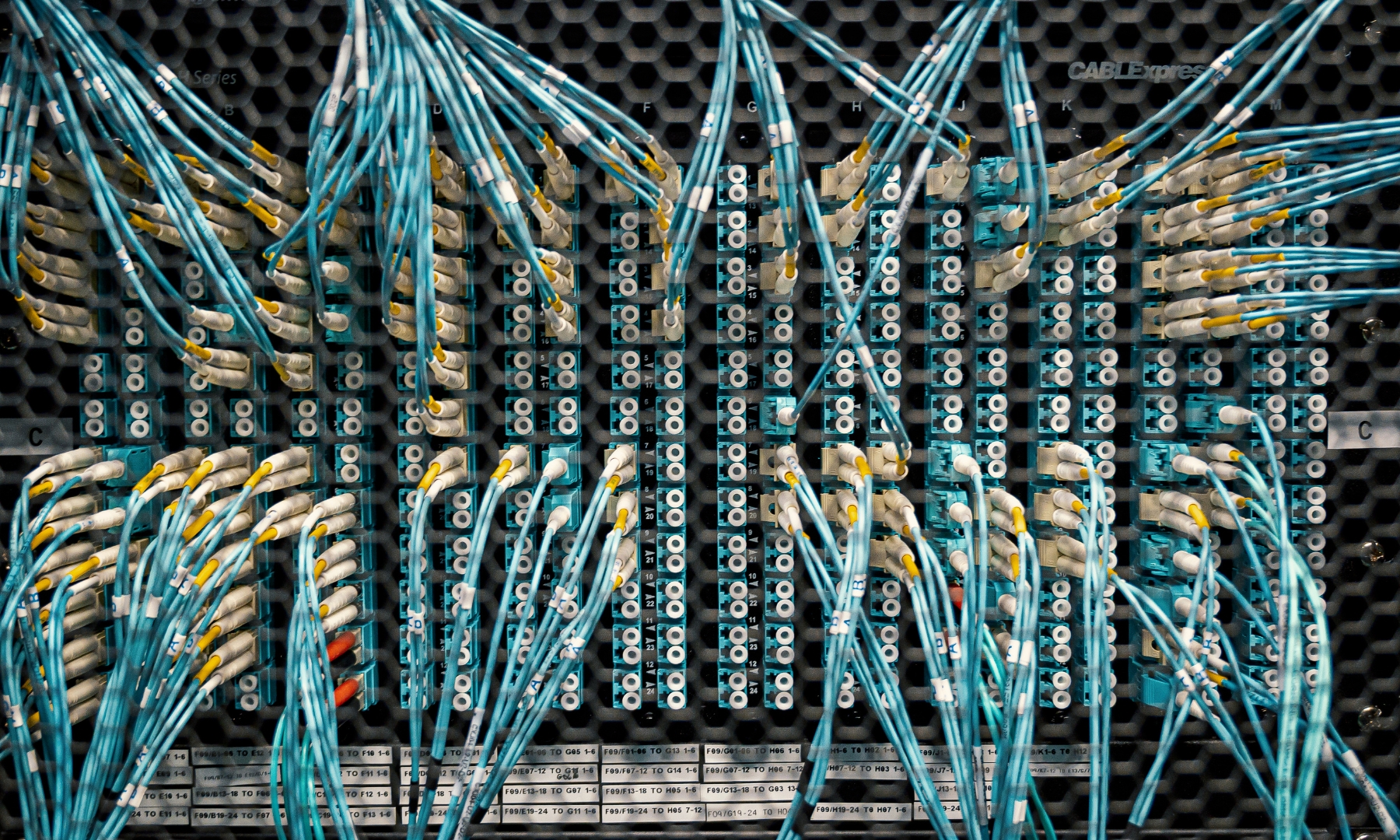
Fibre expansion is redefining the network environment
Across global markets, operators are retiring legacy copper networks as fibre becomes the foundation of next-generation connectivity. From Europe and North America to Asia-Pacific, the direction of travel is unmistakable: fibre deployment is accelerating, and operators are sunsetting copper-based infrastructure for good.
Success depends not only on building new fibre networks, but on how effectively legacy copper infrastructure is rationalised, assets are recovered and network transformation is delivered.
The reality of transition: parallel networks
As fibre deployment accelerates, network transformation enters a hybrid phase defined by coexistence rather than immediate replacement. Fibre becomes the strategic priority, but copper infrastructure remains present, partially active and operationally significant.
During this transition, organisations must simultaneously manage:
- Copper-dependent services that remain active across parts of the network
- Rapid expansion of fibre-enabled connectivity
- Uneven migration across regions, customer segments and service types
- Legacy infrastructure that remains physically in place despite becoming increasingly underutilised
The challenge is no longer simply expanding fibre, but coordinating the migration between two generations of network infrastructure while maintaining operational performance.
Copper infrastructure does not disappear, it accumulates complexity
One of the most underestimated aspects of fibre migration is the persistence of copper infrastructure. Even as utilisation declines, copper networks remain:
- Physically embedded across extensive geographies
- Present within exchanges and access networks
- Costly to maintain in partially active form
- Difficult to rationalise without structured programmes
Copper as recoverable value
Across mature markets, legacy PSTN infrastructure contains significant embedded material value. Copper cabling, exchange equipment, and supporting assets can be:
- Reused where technically and commercially viable
- Resold into secondary markets
- Refurbished to extend operational life
- Recovered through structured recycling processes
This is the principle of urban mining: reclaiming precious metals from existing infrastructure rather than relying on new material extraction.
At scale, copper switch-off creates a significant opportunity to recover value from legacy assets, helping offset programme costs while reducing waste and demand for newly extracted materials.
Delivering the full infrastructure lifecycle
TXO works alongside technology operators globally to deliver every stage of network transformation. From fibre deployment and field engineering to copper withdrawal, asset recovery and circular lifecycle management, we turn strategy into action.
TXO’s capabilities span:
- Field engineering and network services
- Spare parts optimisation
- Test and repair
- Infrastructure rationalisation
- Asset recovery and urban mining
The strength of this approach lies not in individual services, but in how they connect into a full lifecycle approach, helping customers build, optimise and retire network infrastructure efficiently, sustainably and at scale. The examples below show how TXO translates this approach into real-world results for customers.
Lumen Technologies & TXO: Network Modernisation in Action
Lumen Technologies has partnered with TXO to transform its legacy network into a next-generation experience for customers across 1,700 sites in the USA. Watch the new video to see how it’s coming to life.
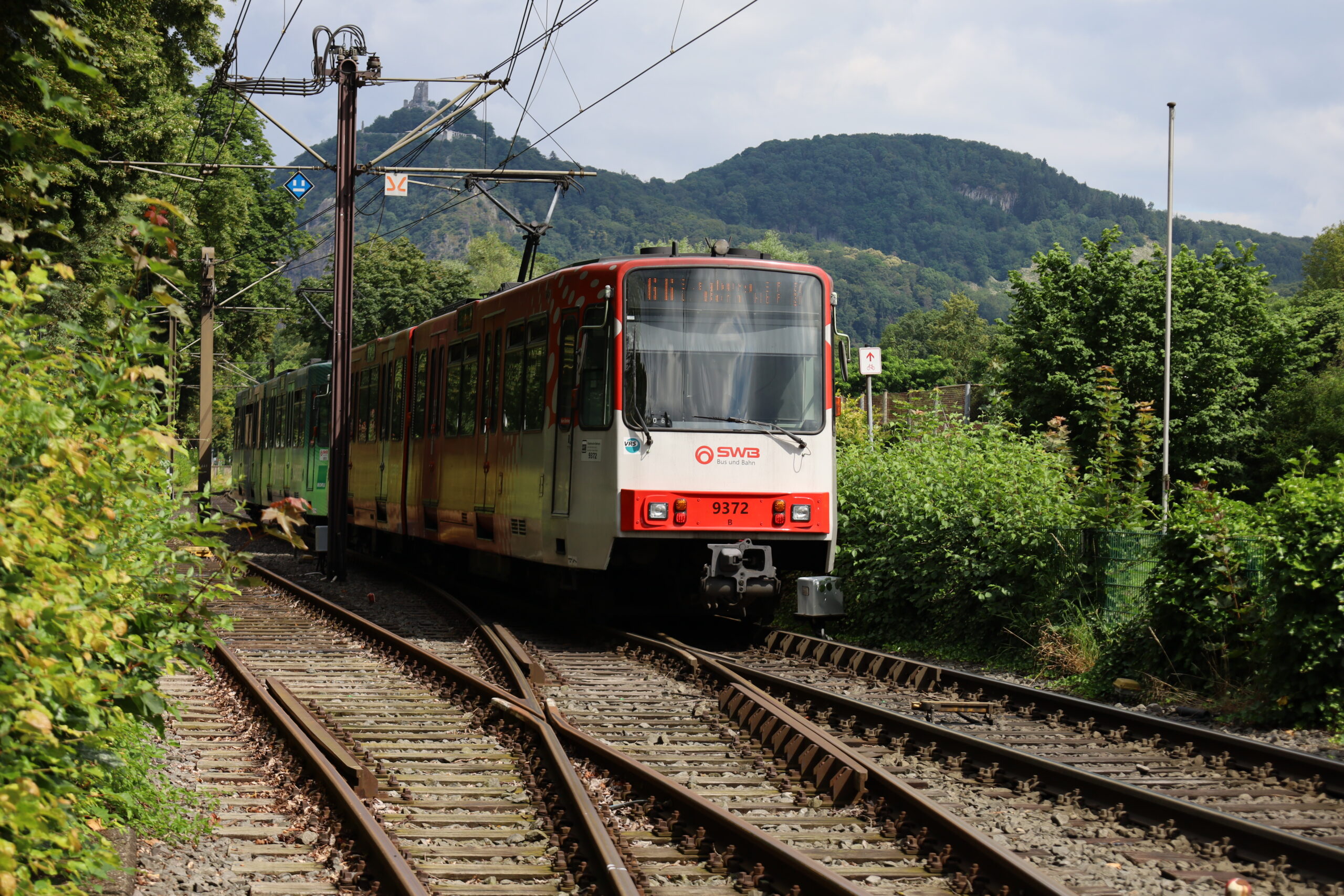
Sustainable urban mining: How SWB Bus und Bahn reclaimed 150 tonnes of copper
With TXO’s support, SWB Bus und Bahn reclaimed 150 tonnes of copper from 350 km of old cables, enhancing safety and cutting 237 tonnes of CO₂ emissions. The project delivered positive financial results and strengthened SWB’s commitment to sustainable urban mining.
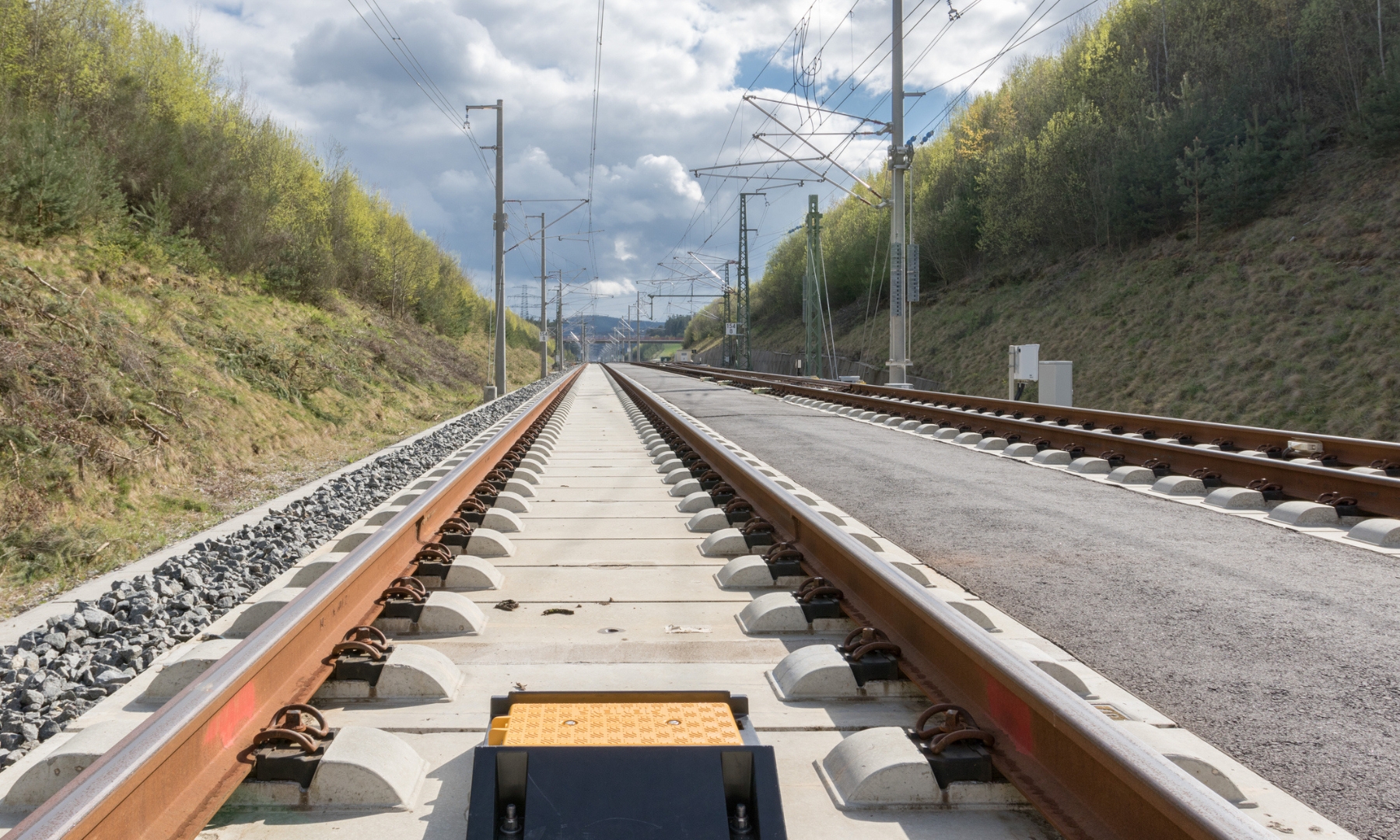
ETCS Migration: The hidden value in Rail modernisation
ETCS migration isn’t just a signalling upgrade, it’s a large-scale infrastructure transition that unlocks hidden value in legacy rail assets through smarter lifecycle thinking, urban mining, and asset recovery. The real opportunity isn’t in faster deployment, it’s in smarter recovery and reuse of what already exists.
Coordinating transition at scale
Copper switch-off is a distributed operational challenge across large, complex network estates. Successful execution depends on:
- Understanding the full extent of legacy infrastructure
- Coordinating fibre rollout with structured copper withdrawal
- Maintaining service continuity throughout the transition
- Safely decommissioning assets in live environments
- Recovering value without slowing operational delivery
As operators continue investing in fibre, lifecycle execution becomes just as important as deployment itself. The organisations that manage both effectively will accelerate transformation while maximising financial and environmental returns.
By partnering with TXO, operators gain an experienced lifecycle partner capable of delivering the engineering expertise, asset recovery and circular economy solutions needed to manage this transition at scale. This reduces programme complexity, improves asset visibility and helps ensure legacy infrastructure is withdrawn safely, efficiently and sustainably.
Fibre may define the future of connectivity, but the success of network transformation will be measured just as much by how operators manage the infrastructure they leave behind. Those that combine fibre expansion with structured lifecycle management will not only simplify their networks; they will unlock value, reduce environmental impact and accelerate the transition to a truly circular future for technology.