

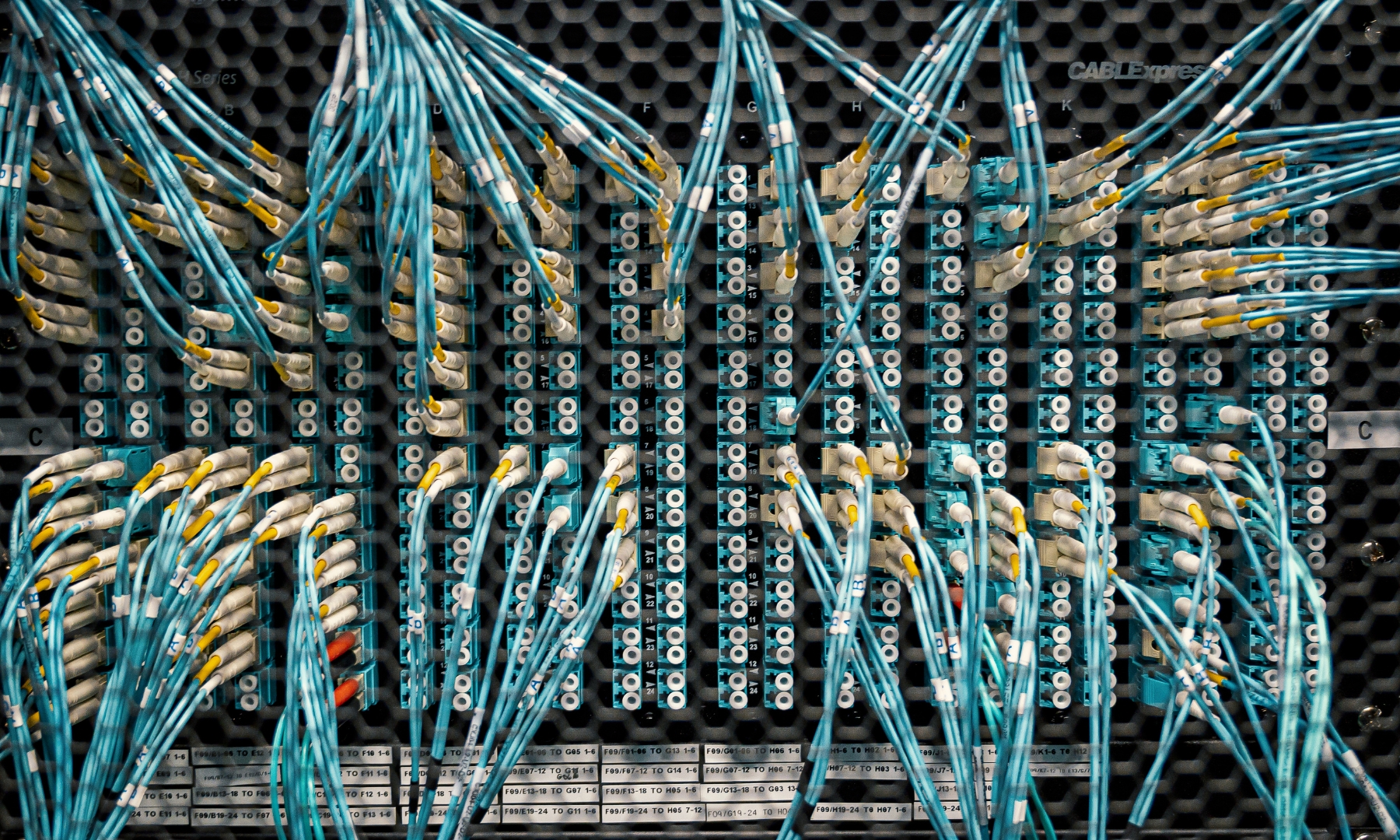
A expansão da rede de fibra óptica está redefinindo o ambiente de rede
Nos mercados globais, as operadoras estão desativando as redes de cobre legadas, à medida que a fibra óptica se torna a base da conectividade de última geração. Da Europa e América do Norte à Ásia-Pacífico, a tendência é clara: a implantação da fibra óptica está se acelerando, e as operadoras estão descontinuando definitivamente a infraestrutura baseada em cobre.
O sucesso depende não apenas da construção de novas redes de fibra óptica, mas também da eficácia com que a infraestrutura de cobre existente for racionalizada, os ativos forem recuperados e a transformação da rede for concretizada.
A realidade da transição: redes paralelas
À medida que a implantação da fibra óptica se acelera, a transformação da rede entra em uma fase híbrida caracterizada pela coexistência, em vez da substituição imediata. A fibra óptica passa a ser a prioridade estratégica, mas a infraestrutura de cobre continua presente, parcialmente ativa e com importância operacional.
Durante essa transição, as organizações devem lidar simultaneamente com:
- Serviços que dependem do Copper e permanecem ativos em partes da rede
- Rápida expansão da conectividade por fibra óptica
- Migração desigual entre regiões, segmentos de clientes e tipos de serviços
- Infraestrutura legada que permanece fisicamente instalada, apesar de estar cada vez mais subutilizada
O desafio não é mais simplesmente expandir a rede de fibra óptica, mas coordenar a migração entre duas gerações de infraestrutura de rede, mantendo o desempenho operacional.
A infraestrutura de cobre não desaparece, ela acumula complexidade
Um dos aspectos mais subestimados da migração para a fibra óptica é a persistência da infraestrutura de cobre. Mesmo com a queda na utilização, as redes de cobre continuam existentes:
- Com presença física em amplas regiões geográficas
- Presente em centrais de comutação e redes de acesso
- É caro mantê-lo em estado parcialmente ativo
- É difícil justificar isso sem programas estruturados
O cobre como valor recuperável
Nos mercados maduros, a infraestrutura PSTN legada contém um valor material embutido significativo. O cabeamento de cobre, os equipamentos de central telefônica e os ativos de apoio podem ser:
- Reutilizado quando viável do ponto de vista técnico e comercial
- Revendidos nos mercados secundários
- Recondicionado para prolongar a vida útil
- Recuperados por meio de processos estruturados de reciclagem
Esse é o princípio da mineração urbana: recuperar metais preciosos da infraestrutura existente, em vez de depender da extração de novos materiais.
Em grande escala, a retirada do cobre representa uma oportunidade significativa para recuperar valor de ativos antigos, ajudando a compensar os custos do programa e, ao mesmo tempo, reduzindo o desperdício e a demanda por materiais recém-extraídos.
Oferecendo o ciclo de vida completo da infraestrutura
A TXO trabalha em parceria com operadoras de tecnologia em todo o mundo para conduzir todas as etapas da transformação de redes. Desde a implantação de fibra óptica e a engenharia de campo até a retirada das redes de cobre, a recuperação de ativos e a gestão circular do ciclo de vida, transformamos estratégia em ação.
Os recursos do TXO abrangem:
- Engenharia de campo e serviços de rede
- Otimização de peças de reposição
- Teste e reparo
- Racionalização da infraestrutura
- Recuperação de ativos e mineração urbana
O ponto forte dessa abordagem não reside nos serviços individuais, mas na forma como eles se integram em uma abordagem que abrange todo o ciclo de vida, ajudando os clientes a construir, otimizar e desativar a infraestrutura de rede de maneira eficiente, sustentável e em grande escala. Os exemplos a seguir mostram como a TXO traduz essa abordagem em resultados concretos para os clientes.
Lumen Technologies e TXO: Modernização de redes em ação
A Lumen Technologies firmou uma parceria com a TXO para transformar sua rede legada em uma experiência de última geração para os clientes em 1.700 locais nos EUA. Assista ao novo vídeo para ver como isso está se concretizando.
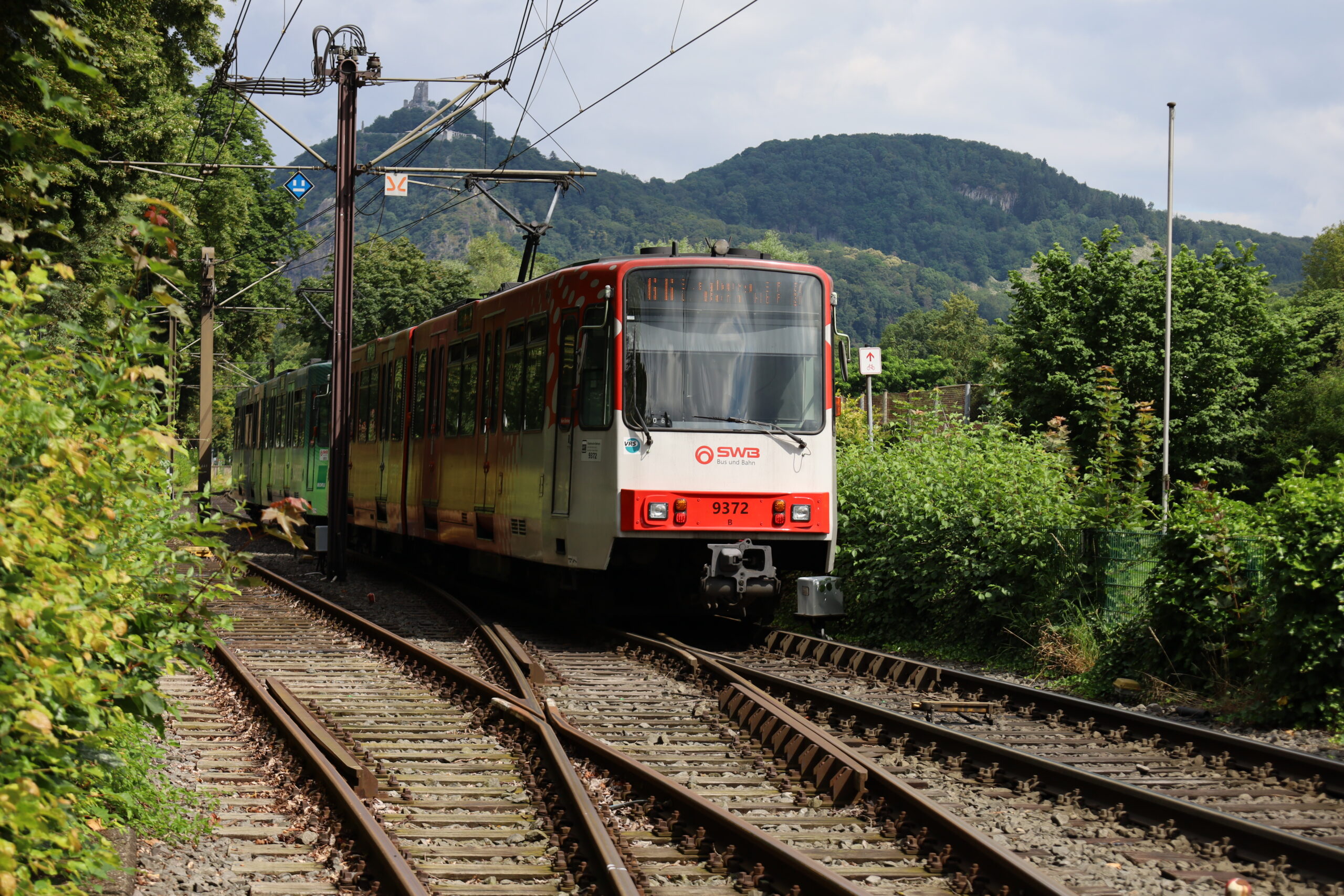
Mineração urbana sustentável: Como a SWB Bus und Bahn recuperou 150 toneladas de cobre
Com o apoio da TXO, a SWB Bus und Bahn recuperou 150 toneladas de cobre de 350 km de cabos antigos, aumentando a segurança e reduzindo 237 toneladas de emissões de CO₂. O projeto gerou resultados financeiros positivos e fortaleceu o compromisso da SWB com a mineração urbana sustentável.
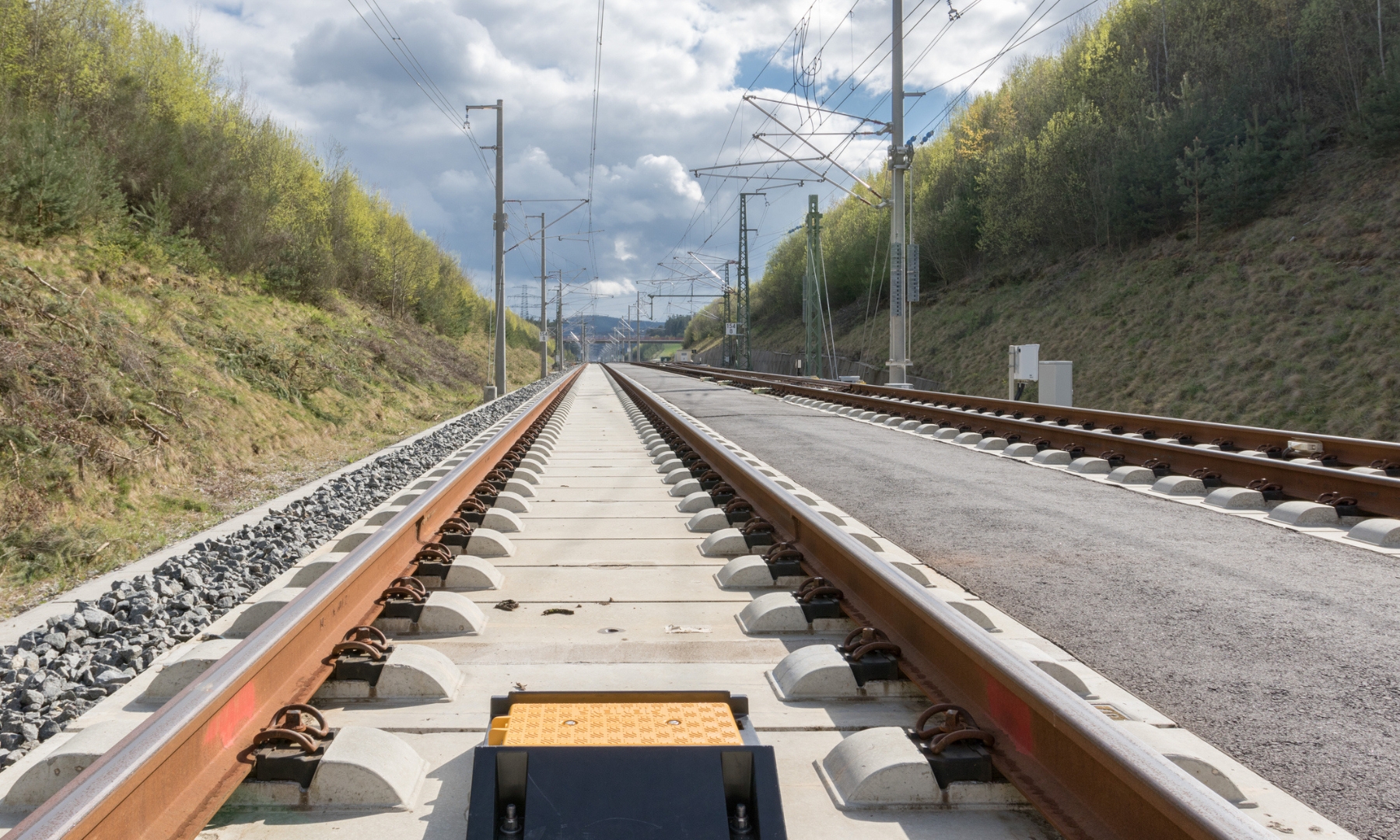
Migração para o ETCS: O valor oculto da modernização ferroviária
A migração para o ETCS não é apenas uma atualização do sistema de sinalização, mas uma transição de infraestrutura em grande escala que revela o valor oculto dos ativos ferroviários legados por meio de uma abordagem mais inteligente do ciclo de vida, da mineração urbana e da recuperação de ativos. A verdadeira oportunidade não está na implantação mais rápida, mas na recuperação e reutilização mais inteligentes do que já existe.
Coordenando a transição em grande escala
A desativação dos componentes de cobre representa um desafio operacional distribuído em redes de grande porte e complexas. O sucesso da execução depende de:
- Compreender toda a extensão da infraestrutura legada
- Coordenar a implantação da fibra óptica com a retirada gradual da rede de cobre estruturada
- Manter a continuidade do serviço durante toda a transição
- Desativação segura de ativos em ambientes em operação
- Recuperar valor sem prejudicar a entrega operacional
À medida que as operadoras continuam investindo em fibra óptica, a gestão do ciclo de vida torna-se tão importante quanto a própria implantação. As organizações que gerenciarem ambos de forma eficaz acelerarão a transformação e, ao mesmo tempo, maximizarão os retornos financeiros e ambientais.
Ao estabelecer uma parceria com a TXO, as operadoras contam com um parceiro experiente em gestão do ciclo de vida, capaz de oferecer o conhecimento técnico em engenharia, a recuperação de ativos e as soluções de economia circular necessárias para gerenciar essa transição em grande escala. Isso reduz a complexidade do programa, melhora a visibilidade dos ativos e ajuda a garantir que a infraestrutura legada seja desativada de forma segura, eficiente e sustentável.
A fibra óptica pode definir o futuro da conectividade, mas o sucesso da transformação das redes será avaliado também pela forma como as operadoras gerenciam a infraestrutura que deixam para trás. Aquelas que combinarem a expansão da fibra óptica com uma gestão estruturada do ciclo de vida não apenas simplificarão suas redes, como também gerarão valor, reduzirão o impacto ambiental e acelerarão a transição para um futuro verdadeiramente circular para a tecnologia.