

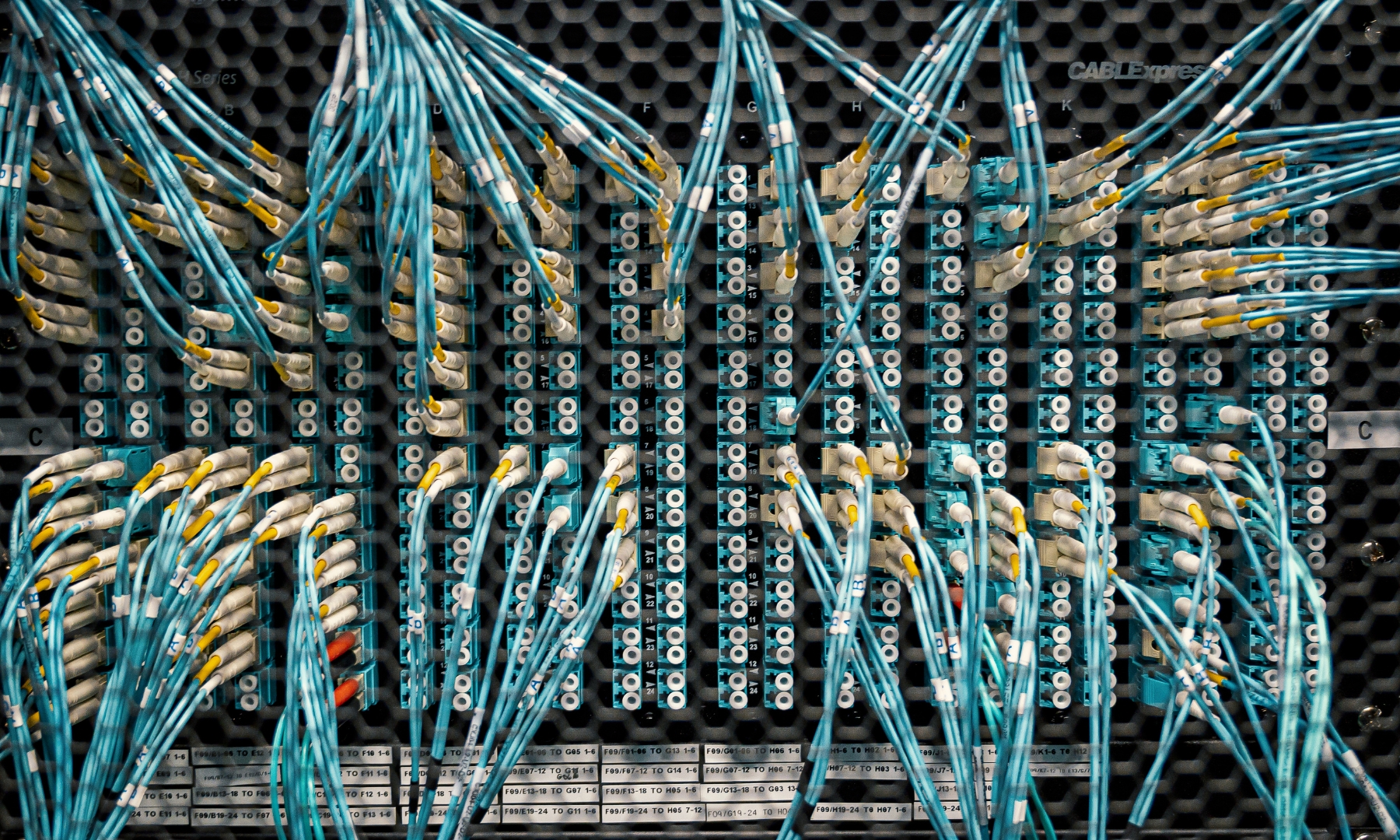
Le développement de la fibre optique redéfinit l'environnement réseau
Sur l'ensemble des marchés mondiaux, les opérateurs abandonnent progressivement les anciens réseaux en cuivre, la fibre optique devenant le pilier de la connectivité de nouvelle génération. De l'Europe à l'Amérique du Nord en passant par l'Asie-Pacifique, la tendance est claire : le déploiement de la fibre optique s'accélère et les opérateurs abandonnent définitivement les infrastructures en cuivre.
La réussite ne dépend pas seulement de la mise en place de nouveaux réseaux en fibre optique, mais aussi de l'efficacité avec laquelle l'infrastructure en cuivre existante sera rationalisée, les actifs valorisés et la transformation du réseau menée à bien.
La réalité de la transition : des réseaux parallèles
À mesure que le déploiement de la fibre optique s'accélère, la transformation des réseaux entre dans une phase hybride caractérisée par la coexistence plutôt que par un remplacement immédiat. La fibre optique devient la priorité stratégique, mais l'infrastructure en cuivre reste en place, partiellement active et d'une importance opérationnelle certaine.
Au cours de cette transition, les organisations doivent gérer simultanément :
- Services dépendants du cuivre qui restent actifs sur certaines parties du réseau
- Expansion rapide de la connectivité par fibre optique
- Une migration inégale selon les régions, les segments de clientèle et les types de services
- Infrastructures héritées qui restent physiquement en place bien qu'elles soient de moins en moins utilisées
Le défi ne consiste plus simplement à étendre le réseau de fibre optique, mais à coordonner la transition entre deux générations d'infrastructures réseau tout en préservant les performances opérationnelles.
Les infrastructures en cuivre ne disparaissent pas, elles ne font qu'accroître la complexité
L'un des aspects les plus sous-estimés de la migration vers la fibre optique est la persistance des infrastructures en cuivre. Même si leur utilisation diminue, les réseaux en cuivre continuent d'exister :
- Implanté physiquement sur de vastes zones géographiques
- Présence au sein des réseaux d'échange et d'accès
- Coûteux à maintenir sous une forme partiellement active
- Difficile à justifier sans programmes structurés
Le cuivre en tant que valeur récupérable
Sur les marchés matures, les infrastructures PSTN existantes recèlent une valeur matérielle intrinsèque considérable. Le câblage en cuivre, les équipements de central téléphonique et les actifs connexes peuvent être :
- Réutilisé lorsque cela est techniquement et commercialement viable
- Revendu sur les marchés secondaires
- Remis à neuf pour prolonger sa durée de vie opérationnelle
- Récupérés grâce à des processus de recyclage structurés
C'est là le principe de l'« urban mining » : récupérer les métaux précieux contenus dans les infrastructures existantes plutôt que de recourir à l'extraction de nouvelles matières premières.
À grande échelle, la récupération du cuivre offre une opportunité considérable de valoriser les actifs existants, ce qui contribue à compenser les coûts du programme tout en réduisant les déchets et la demande en matériaux nouvellement extraits.
Gestion de l'ensemble du cycle de vie des infrastructures
TXO collabore avec des opérateurs technologiques du monde entier pour mener à bien toutes les étapes de la transformation des réseaux. Du déploiement de la fibre optique et de l'ingénierie sur le terrain au retrait des réseaux en cuivre, en passant par la valorisation des actifs et la gestion circulaire du cycle de vie, nous concrétisons la stratégie.
Les capacités de TXO couvrent :
- Ingénierie sur site et services réseau
- Optimisation des pièces de rechange
- Contrôle et réparation
- Rationalisation des infrastructures
- Récupération des ressources et exploitation minière urbaine
La force de cette approche ne réside pas dans les services pris isolément, mais dans la manière dont ils s'articulent au sein d'une approche couvrant l'ensemble du cycle de vie, aidant ainsi les clients à mettre en place, optimiser et mettre hors service leur infrastructure réseau de manière efficace, durable et à grande échelle. Les exemples ci-dessous illustrent comment TXO traduit cette approche en résultats concrets pour ses clients.
Lumen Technologies et TXO : la modernisation des réseaux en action
Lumen Technologies s'est associé à TXO pour transformer son réseau existant en une expérience de nouvelle génération destinée à ses clients répartis sur 1 700 sites aux États-Unis. Regardez la nouvelle vidéo pour découvrir comment ce projet prend vie.
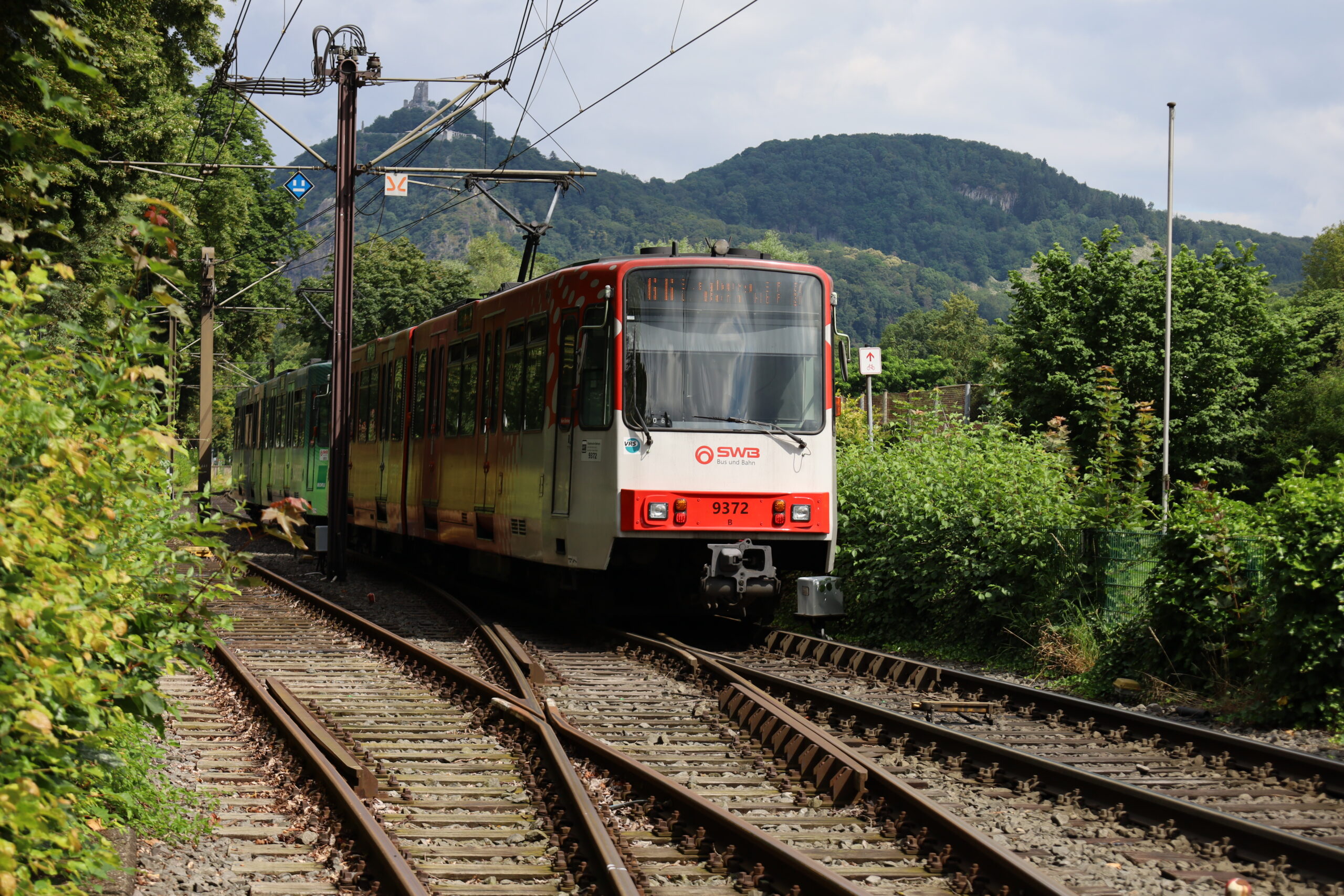
Exploitation minière urbaine durable : Comment SWB Bus und Bahn a récupéré 150 tonnes de cuivre
Avec le soutien de TXO, SWB Bus und Bahn a récupéré 150 tonnes de cuivre sur 350 km de vieux câbles, améliorant ainsi la sécurité et réduisant de 237 tonnes les émissions de CO₂. Le projet a produit des résultats financiers positifs et a renforcé l'engagement de SWB en faveur de l'exploitation minière urbaine durable.

Migration vers l'ETCS : la valeur cachée de la modernisation ferroviaire
La migration vers l'ETCS n'est pas seulement une mise à niveau du système de signalisation, c'est une transition infrastructurelle à grande échelle qui permet de libérer la valeur cachée des infrastructures ferroviaires existantes grâce à une approche plus intelligente du cycle de vie, à l'exploitation des ressources urbaines et à la valorisation des actifs. La véritable opportunité ne réside pas dans un déploiement plus rapide, mais dans une valorisation et une réutilisation plus intelligentes de ce qui existe déjà.
Coordonner la transition à grande échelle
La mise hors service des câbles en cuivre constitue un défi opérationnel à l'échelle décentralisée dans les parcs de réseaux vastes et complexes. La réussite de cette opération dépend des éléments suivants :
- Comprendre toute l'étendue des infrastructures existantes
- Coordonner le déploiement de la fibre optique avec le retrait progressif des réseaux en cuivre
- Assurer la continuité du service tout au long de la transition
- Mise hors service en toute sécurité des ressources dans des environnements en production
- Récupérer de la valeur sans ralentir la prestation opérationnelle
Alors que les opérateurs continuent d'investir dans la fibre optique, la gestion du cycle de vie devient tout aussi importante que le déploiement lui-même. Les organisations qui sauront gérer efficacement ces deux aspects accéléreront leur transformation tout en optimisant leurs retombées financières et environnementales.
En s'associant à TXO, les opérateurs bénéficient d'un partenaire expérimenté, présent tout au long du cycle de vie, capable de leur apporter l'expertise technique, les solutions de valorisation des actifs et les solutions d'économie circulaire nécessaires pour gérer cette transition à grande échelle. Cela permet de réduire la complexité des programmes, d'améliorer la visibilité sur les actifs et de garantir que les infrastructures existantes soient démantelées de manière sûre, efficace et durable.
La fibre optique pourrait bien définir l'avenir de la connectivité, mais le succès de la transformation des réseaux se mesurera tout autant à la manière dont les opérateurs gèrent les infrastructures qu'ils laissent derrière eux. Ceux qui associeront le déploiement de la fibre optique à une gestion structurée du cycle de vie de leurs infrastructures ne se contenteront pas de simplifier leurs réseaux ; ils créeront de la valeur, réduiront leur impact environnemental et accéléreront la transition vers un avenir véritablement circulaire pour la technologie.