

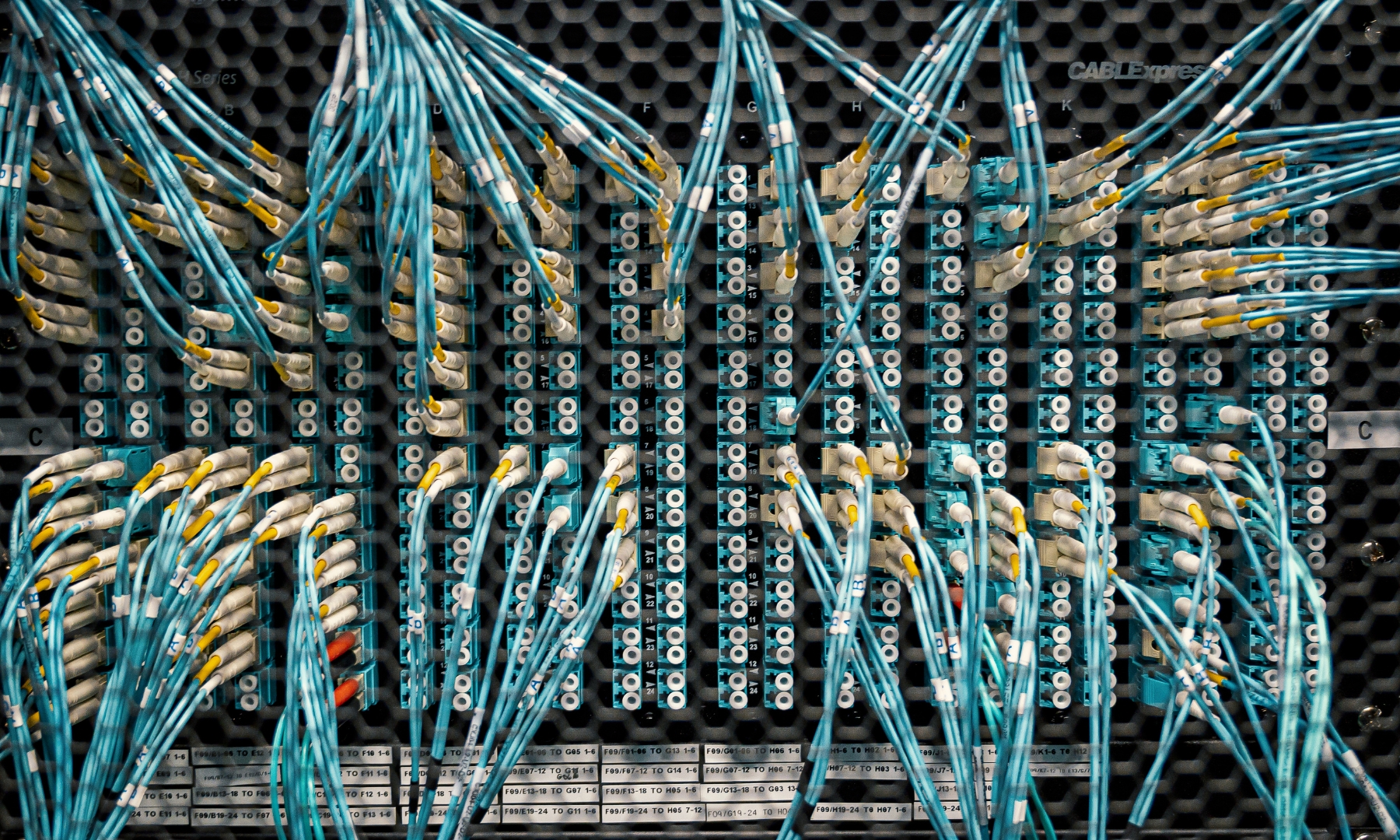
Der Ausbau des Glasfasernetzes verändert die Netzwerklandschaft grundlegend
Auf den Märkten weltweit stellen Netzbetreiber ihre veralteten Kupfernetze ein, da Glasfaser zur Grundlage der Konnektivität der nächsten Generation wird. Von Europa über Nordamerika bis hin zum asiatisch-pazifischen Raum ist die Entwicklung unübersehbar: Der Ausbau der Glasfasernetze schreitet immer schneller voran, und die Netzbetreiber stellen ihre kupferbasierte Infrastruktur endgültig ein.
Der Erfolg hängt nicht nur vom Aufbau neuer Glasfasernetze ab, sondern auch davon, wie effektiv die bestehende Kupferinfrastruktur rationalisiert, die Anlagen verwertet und die Netzwerkumstellung umgesetzt wird.
Die Realität des Wandels: parallele Netzwerke
Mit dem zunehmenden Ausbau der Glasfasernetze tritt die Netzwerktransformation in eine hybride Phase ein, die eher durch Koexistenz als durch eine sofortige Ablösung gekennzeichnet ist. Glasfaser wird zur strategischen Priorität, doch die Kupferinfrastruktur bleibt bestehen, ist teilweise aktiv und für den Betrieb nach wie vor von Bedeutung.
Während dieser Umstellungsphase müssen Unternehmen folgende Aufgaben gleichzeitig bewältigen:
- Kupferabhängige Dienste, die in Teilen des Netzes weiterhin aktiv sind
- Rascher Ausbau der Glasfaser-basierten Netzanbindung
- Ungleichmäßige Migration über Regionen, Kundensegmente und Dienstleistungsarten hinweg
- Veraltete Infrastruktur, die physisch zwar noch vorhanden ist, aber zunehmend ungenutzt bleibt
Die Herausforderung besteht nicht mehr nur darin, das Glasfasernetz auszubauen, sondern die Umstellung zwischen zwei Generationen von Netzwerkinfrastrukturen zu koordinieren und dabei die Betriebsleistung aufrechtzuerhalten.
Die Kupferinfrastruktur verschwindet nicht, sondern wird immer komplexer.
Einer der am meisten unterschätzten Aspekte der Umstellung auf Glasfaser ist die Fortbestehen der Kupferinfrastruktur. Selbst wenn die Auslastung zurückgeht, bleiben die Kupfernetze bestehen:
- Mit einer physischen Präsenz in weitläufigen geografischen Gebieten
- In Vermittlungsstellen und Zugangsnetzen vorhanden
- Die Aufrechterhaltung in teilweise aktiver Form ist kostspielig
- Ohne strukturierte Programme lässt sich dies nur schwer begründen
Kupfer als verwertbarer Wert
In reifen Märkten birgt die bestehende PSTN-Infrastruktur einen erheblichen materiellen Wert. Kupferkabel, Vermittlungsanlagen und zugehörige Anlagen können:
- Wiederverwendet, sofern dies technisch und wirtschaftlich machbar ist
- Auf Sekundärmärkten weiterverkauft
- Überholt, um die Betriebsdauer zu verlängern
- Durch strukturierte Recyclingverfahren zurückgewonnen
Das ist das Prinzip des „Urban Mining“: Edelmetalle aus bestehender Infrastruktur zurückzugewinnen, anstatt auf die Gewinnung neuer Rohstoffe zurückzugreifen.
In großem Maßstab bietet die Kupferrückgewinnung eine bedeutende Möglichkeit, Wert aus Altanlagen zurückzugewinnen, was dazu beiträgt, die Programmkosten auszugleichen und gleichzeitig Abfall sowie den Bedarf an neu geförderten Materialien zu reduzieren.
Abdeckung des gesamten Infrastruktur-Lebenszyklus
TXO arbeitet weltweit mit Technologieanbietern zusammen, um alle Phasen der Netztransformation umzusetzen. Vom Glasfaserausbau über die Technik vor Ort bis hin zur Stilllegung von Kupferleitungen, der Rückgewinnung von Anlagen und dem kreislauforientierten Lebenszyklusmanagement setzen wir Strategien in die Tat um.
Die Leistungsmerkmale von TXO umfassen:
- Außendienst und Netzwerkdienste
- Optimierung des Ersatzteilmanagements
- Prüfung und Reparatur
- Rationalisierung der Infrastruktur
- Ressourcenrückgewinnung und Urban Mining
Die Stärke dieses Ansatzes liegt nicht in den einzelnen Dienstleistungen, sondern darin, wie diese zu einem ganzheitlichen Lebenszyklusansatz verzahnt werden, der Kunden dabei unterstützt, ihre Netzwerkinfrastruktur effizient, nachhaltig und in großem Maßstab aufzubauen, zu optimieren und außer Betrieb zu nehmen. Die folgenden Beispiele veranschaulichen, wie TXO diesen Ansatz in konkrete Ergebnisse für seine Kunden umsetzt.
Lumen Technologies & TXO: Netzwerkmodernisierung in der Praxis
Lumen Technologies hat sich mit TXO zusammengetan, um sein bestehendes Netzwerk an 1.700 Standorten in den USA in ein Erlebnis der nächsten Generation für seine Kunden zu verwandeln. Sehen Sie sich das neue Video an, um zu erfahren, wie dies umgesetzt wird.
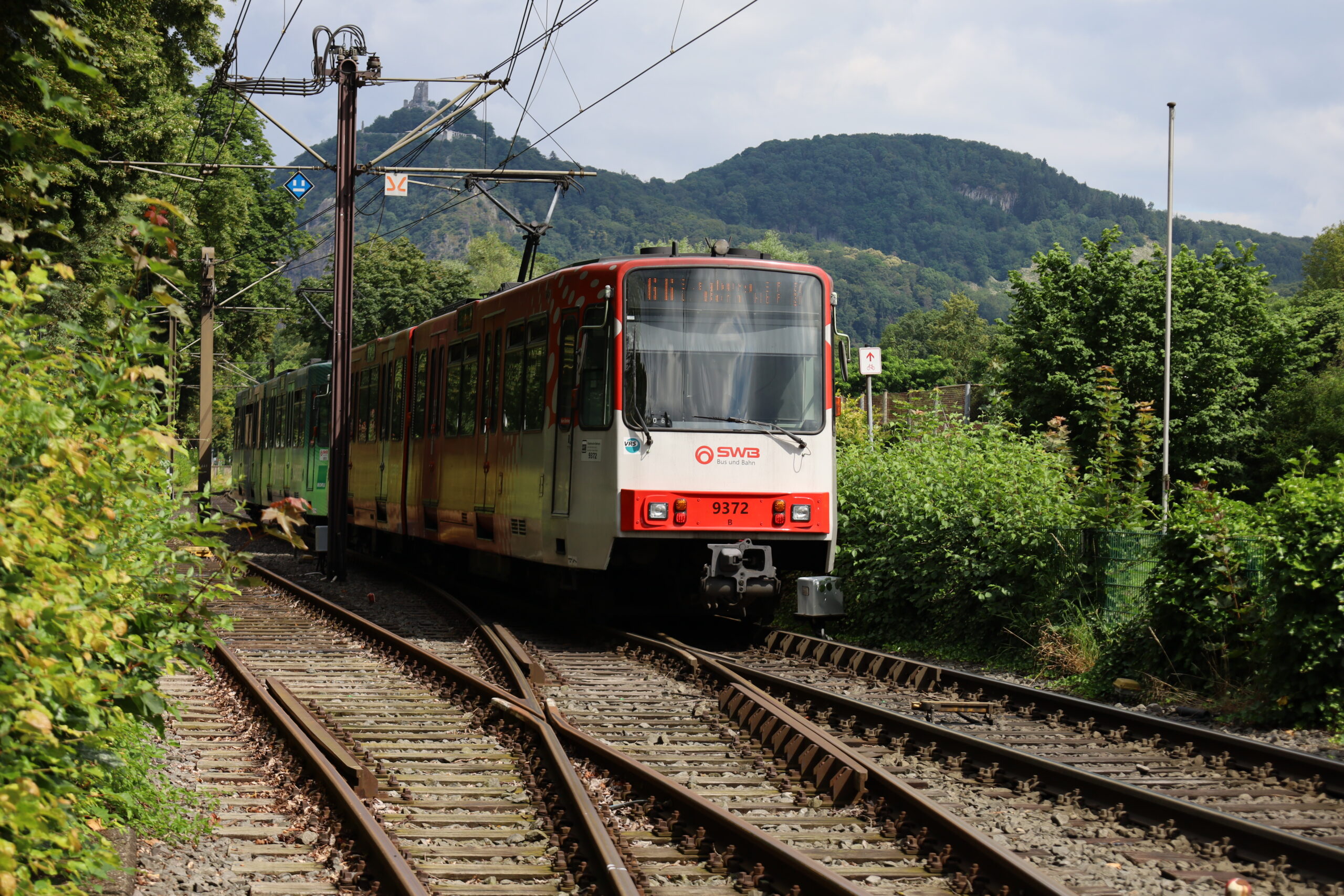
Nachhaltiges Urban Mining: Wie SWB Bus und Bahn 150 Tonnen Kupfer zurückgewonnen hat
Mit der Unterstützung von TXO gewann SWB Bus und Bahn 150 Tonnen Kupfer aus 350 km alten Kabeln zurück, wodurch die Sicherheit erhöht und 237 Tonnen CO₂-Emissionen eingespart wurden. Das Projekt lieferte positive finanzielle Ergebnisse und stärkte das Engagement von SWB für ein nachhaltiges Urban Mining.
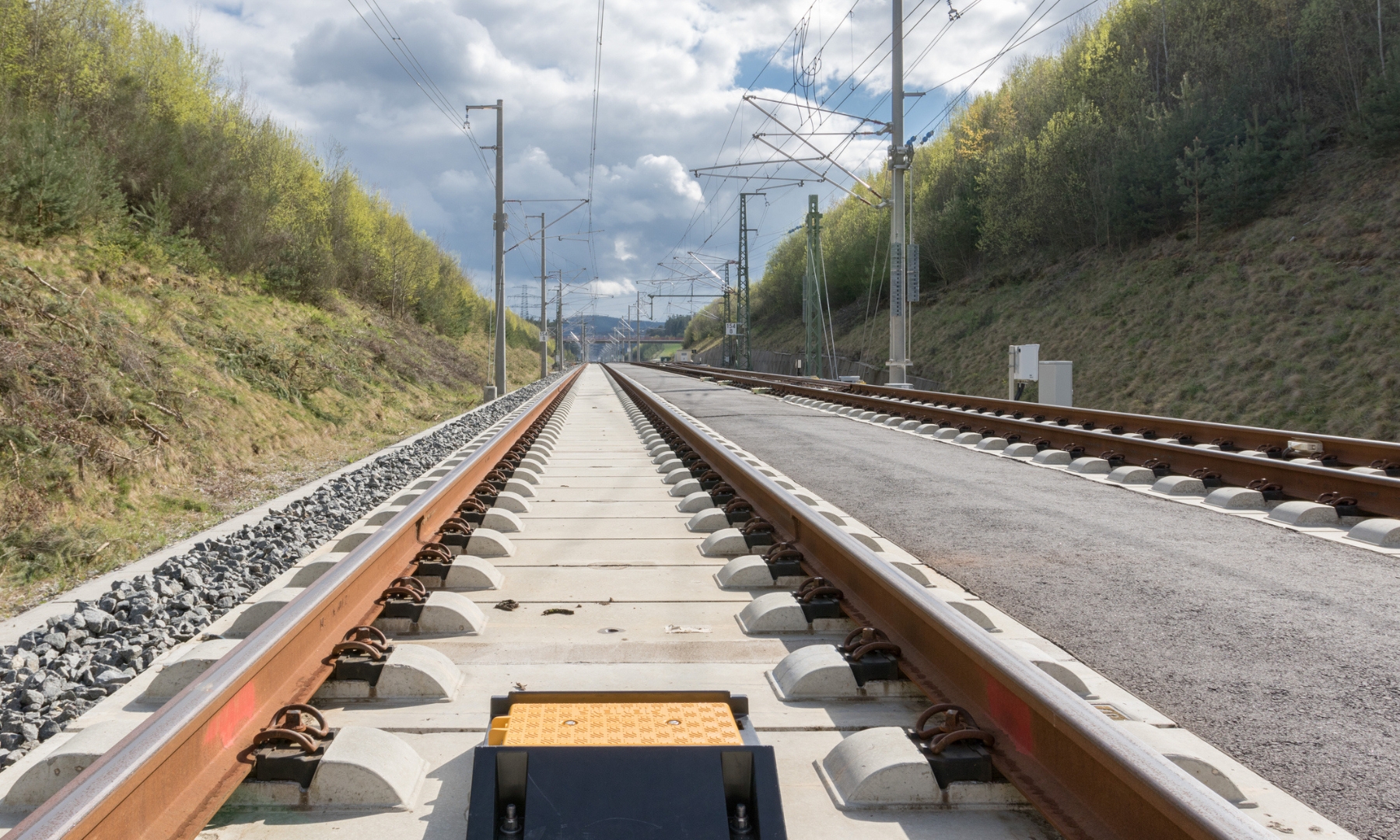
ETCS-Umstellung: Der verborgene Mehrwert der Modernisierung des Schienenverkehrs
Die Umstellung auf ETCS ist nicht nur eine Modernisierung der Signaltechnik, sondern ein groß angelegter Infrastrukturwandel, der durch intelligentere Lebenszyklusplanung, Urban Mining und die Rückgewinnung von Ressourcen verborgene Werte in bestehenden Eisenbahnanlagen erschließt. Die eigentliche Chance liegt nicht in einer schnelleren Umsetzung, sondern in der intelligenteren Rückgewinnung und Wiederverwendung bereits Vorhandenen.
Koordination des Übergangs in großem Maßstab
Die Abschaltung von Kupferleitungen stellt in großen, komplexen Netzwerken eine dezentrale betriebliche Herausforderung dar. Die erfolgreiche Umsetzung hängt ab von:
- Das volle Ausmaß der Altinfrastruktur erfassen
- Abstimmung des Glasfaserausbaus mit dem schrittweisen Abbau des Kupfernetzes
- Gewährleistung der Dienstkontinuität während der gesamten Umstellungsphase
- Sichere Außerbetriebnahme von Anlagen in laufenden Betriebsumgebungen
- Wertsteigerung ohne Beeinträchtigung der operativen Leistungserbringung
Da die Betreiber weiterhin in Glasfaser investieren, gewinnt die Umsetzung während des gesamten Lebenszyklus ebenso an Bedeutung wie der Ausbau selbst. Unternehmen, die beides effektiv bewältigen, werden den Wandel beschleunigen und gleichzeitig den finanziellen und ökologischen Nutzen maximieren.
Durch die Zusammenarbeit mit TXO gewinnen Betreiber einen erfahrenen Lebenszyklus-Partner, der das erforderliche technische Know-how sowie Lösungen für die Rückgewinnung von Anlagen und die Kreislaufwirtschaft bereitstellen kann, um diesen Übergang in großem Maßstab zu bewältigen. Dies verringert die Komplexität des Programms, verbessert die Transparenz hinsichtlich der Anlagen und trägt dazu bei, dass veraltete Infrastruktur sicher, effizient und nachhaltig stillgelegt wird.
Glasfaser mag zwar die Zukunft der Konnektivität bestimmen, doch der Erfolg der Netzwerktransformation wird ebenso daran gemessen werden, wie die Netzbetreiber die von ihnen zurückgelassene Infrastruktur verwalten. Diejenigen, die den Ausbau des Glasfasernetzes mit einem strukturierten Lebenszyklusmanagement verbinden, werden nicht nur ihre Netzwerke vereinfachen, sondern auch Mehrwert schaffen, die Umweltbelastung verringern und den Übergang zu einer wirklich kreislauforientierten Zukunft der Technologie beschleunigen.