

The gaps between good decisions can create the greatest risk
Cyber security teams are managing increasingly complex threat environments. Operations teams are focused on availability and resilience. Sustainability leaders are under pressure to reduce environmental impact. Technology teams are modernising infrastructure while managing legacy estates that may need to remain operational for years.
Individually, each function can make the right decision. The challenge is ensuring those decisions still work when they intersect.
- An asset may be technically capable of remaining in service, but is it still secure and supportable
- Replacement may reduce one category of operational risk, but could repair or refurbishment deliver the same resilience while avoiding unnecessary capital expenditure and embodied carbon?
- When infrastructure is decommissioned, does the security process extend beyond disconnection to the data, configurations and physical assets leaving the network?
These are not simply questions of compliance. They are lifecycle decisions, with implications for risk, resilience, cost, sustainability and value. And they illustrate why the real value of frameworks such as ITIL, IEC 62443, ISO 27001 and ISO 14001 lies not only in applying them individually, but in the operational discipline they can create across the technology lifecycle.
For organisations transforming and optimising critical infrastructure, that joined-up thinking matters.
Resilience depends on what happens between lifecycle stages
Technology rarely follows a neat linear path from procurement to disposal. Assets are deployed, upgraded, repaired, moved, reconfigured, stored, redeployed and eventually recovered. Critical legacy equipment may remain operational alongside newer infrastructure for years. Components can move between sites and systems. Software and configurations change throughout their working life.
Every transition creates a decision point. And every decision point can affect security, availability, cost, environmental impact and residual value.
This is where an ITIL-driven service management approach becomes particularly valuable. Incident, problem, configuration and change management are not simply operational processes. Together, they provide the governance and visibility needed to understand what is changing, why it is changing and what the consequences could be elsewhere in the technology environment.
Combine that discipline with cyber security, information security and environmental management, and the technology lifecycle becomes more than a series of individual projects. It becomes a connected approach to designing, building, maintaining, optimising and recovering technology, with decisions at each stage informing what happens next.
Cyber security does not end when an asset leaves the network
For increasingly connected critical infrastructure, security cannot be treated as a consideration at a single point in time. It needs to follow technology throughout its lifecycle.
Decisions made during design and build influence architecture, component selection, configuration, integration and access. Once infrastructure is operational, monitoring, maintenance and change introduce new considerations. And when technology is no longer required, another set of risks emerges.
Decommissioning an asset does not automatically remove the risk associated with it. Equipment can retain configurations, data and information about the environment in which it operated. Assets may move into storage, be returned for repair, redeployed elsewhere, remarketed or sent for recycling. The chain of control therefore needs to continue beyond the live network.
IEC 62443 reinforces this lifecycle approach to industrial and operational technology security. But the operational question is broader: can organisations maintain appropriate control as technology moves between lifecycle stages?
For TXO, secure data sanitisation, controlled asset handling, traceability and auditable recovery processes are part of the same lifecycle thinking as network security and operational resilience. The asset may have left the network. The responsibility for managing it securely has not.
Sustainability changes the replacement conversation
The same lifecycle thinking creates a more sophisticated approach to sustainability.
Technology transformation has often been associated with replacement: newer infrastructure comes in and older infrastructure comes out. But replacement is not automatically the optimum commercial, operational or environmental decision.
A critical asset that can be securely repaired and supported may have years of useful life remaining. Refurbished equipment may provide an effective solution for maintaining legacy platforms or supporting migration programmes. Surplus assets from one part of an estate may have value elsewhere. And redundant infrastructure can contain materials with significant residual value.
The decision is no longer simply whether to retain or replace.
- What is the asset’s condition?
- Is it secure?
- Can it still be supported?
- How critical is it?
- What is the risk of retaining it compared with replacing it?
- Could it be redeployed?
- What value could be recovered?
- And what is the environmental consequence of each option?
ISO 14001 provides important environmental management discipline, but the opportunity is greater when that thinking becomes part of day-to-day technology and investment decisions.
Maintenance, repair, refurbishment, redeployment, infrastructure rationalisation, urban mining and responsible recycling can then become part of a broader strategy to optimise technology, rather than isolated sustainability initiatives. This is where circularity can support transformation rather than compete with it: extending the life of technology where it makes operational and commercial sense, while recovering value responsibly when it does not.
Asset intelligence connects the dots
There is one dependency running through all of these decisions: knowing what you have. An organisation cannot effectively manage cyber exposure, obsolescence, maintenance requirements, environmental impact or residual value without reliable asset intelligence.
- What equipment is deployed?
- Where is it?
- How is it configured?
- What has changed?
- What is its maintenance history?
- What condition is it in?
- Is it still supported?
- What data could it contain?
- And what should happen to it next?
The answers have value far beyond an asset register. Data captured during design and deployment can inform ongoing management. Repair history can influence replacement strategy. Installed-base intelligence can support cyber risk management. Visibility of redundant infrastructure can inform rationalisation and transformation programmes. Recovery data can identify equipment suitable for reuse, redeployment or resale. Environmental data can help quantify the benefits of circular technology decisions.
When information follows the asset, organisations can make better decisions throughout its life. That visibility connects each stage of the technology lifecycle, from design and build through to management and recovery, giving organisations a clearer view of the operational, commercial, security and environmental impact of their decisions as they transform and optimise technology.
The strongest assurance is operational
Certifications and recognised frameworks matter. They establish expectations, provide assurance and create disciplines that can be applied consistently across complex organisations. But for leadership teams responsible for critical infrastructure, the bigger question is what those disciplines enable operationally.
- Can you transform the network while maintaining resilience?
- Can you extend asset life without introducing unacceptable risk?
- Can you introduce new technology without losing control of the existing estate?
- Can you demonstrate what happened to equipment after it left the network?
- Can you improve sustainability while protecting security, availability and commercial value?
Those outcomes are ultimately more important than any individual certificate.
TXO brings together engineering, ITIL-driven service management, cyber and information security principles, asset intelligence and circular economy expertise to help organisations transform and optimise technology.
Across every stage of the technology lifecycle, from design and build through to management and recovery, we connect the decisions being made, helping organisations strengthen resilience, extend asset life, manage risk, unlock value and reduce environmental impact.
Because resilient infrastructure isn’t created by optimising security, sustainability or operational performance independently. It comes from understanding how every lifecycle decision affects the next.
You might be interested in:
Unlocking value across the technology lifecycle
As infrastructure modernisation accelerates, organisations are rethinking how technology assets are managed. We explore how asset recovery & urban mining with a trusted lifecycle solutions partner can unlock value, and deliver measurable environmental and operational impact.
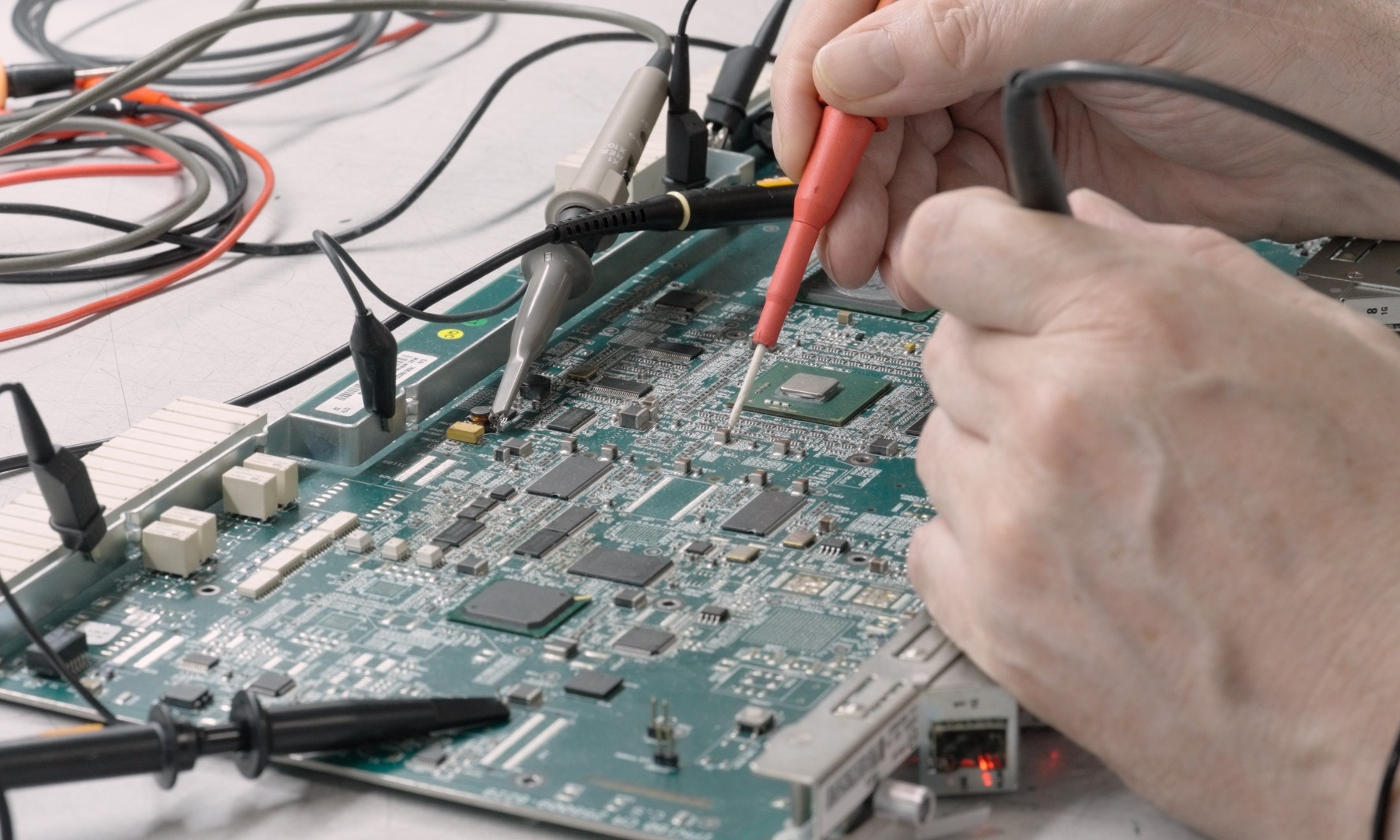
See how TXO keeps networks running longer with expert test & repair engineering
In our new video, go inside TXO’s Solihull repair lab with Lead Electronics Engineer Dave Wise and discover how our team brings network hardware back to life with precision engineering and rigorous testing.
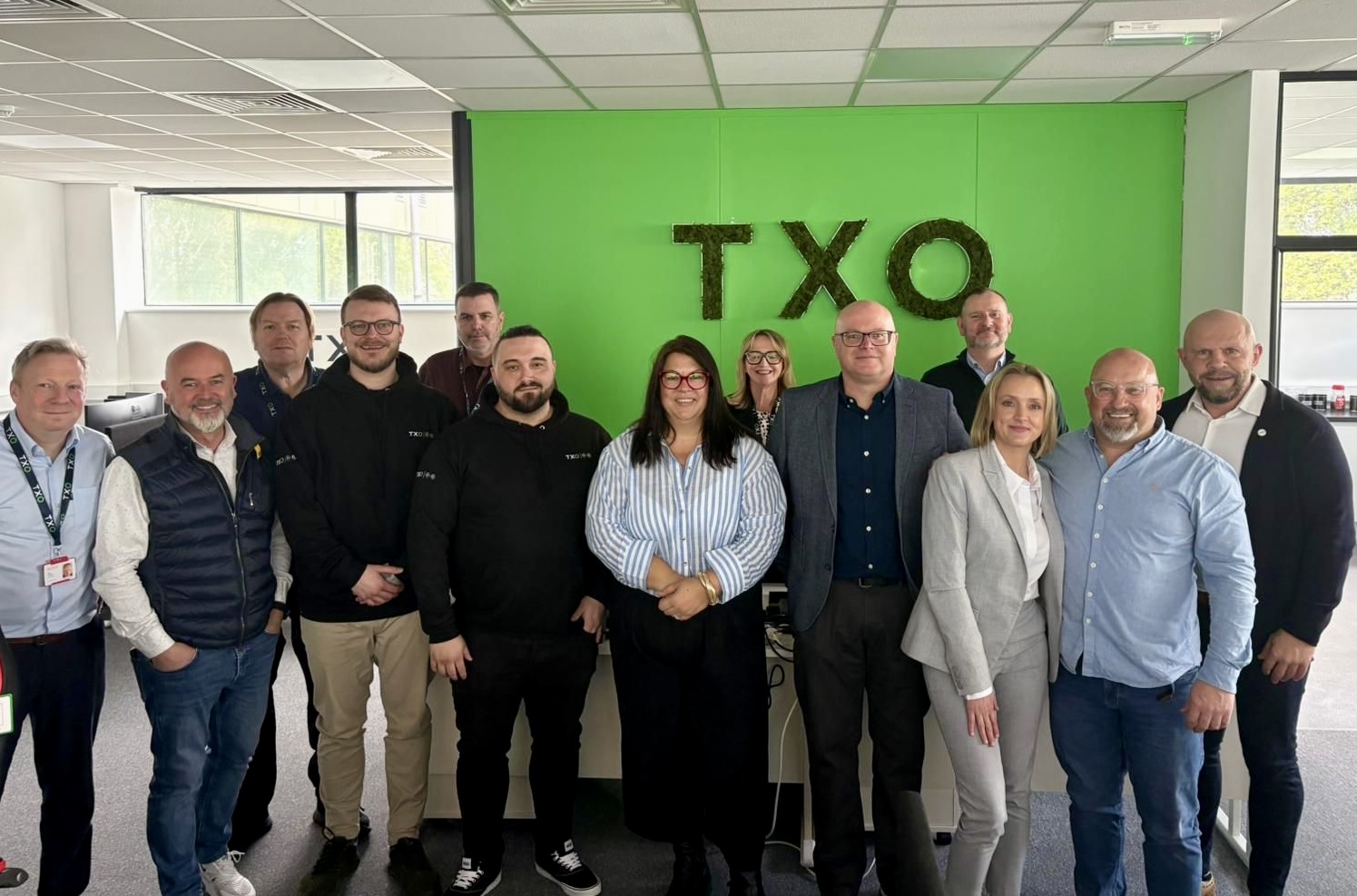
Delivering the future for Virgin Media O2
A proud milestone for TXO as we officially open our Hull operation and celebrate the beginning of an exciting new chapter with Virgin Media O2 (VMO2). Great partnerships, talented people, and strong collaboration are already driving success.