


The future of rail will require new technology, greater connectivity and continued investment in infrastructure. But creating capacity for what comes next is not just about building more. Sometimes, it starts with making better use of what is already there.
Across rail networks, decades of technology evolution have left behind infrastructure that no longer reflects what operators need today. Some assets are fully obsolete. Others remain partially active, despite being larger or more complex than their current function requires.
That makes legacy infrastructure more than an end-of-life challenge. Look at it differently and it becomes an opportunity to create space, reduce risk, recover valuable materials and release funding that can support further modernisation.
The capacity hiding in plain sight
Physical space within tunnels, trackside routes, stations and other critical rail environments is finite. As networks become more connected and technology requirements evolve, that space becomes increasingly valuable.
Yet existing infrastructure can continue to occupy it long after the original requirement has changed. Legacy copper cabling is a good example. By auditing what is installed, infrastructure owners can identify cables that are fully obsolete, those that remain partially active and the services that still need to be maintained.
Fully redundant infrastructure can be safely removed. Where a legacy cable is only partially active, there may be an opportunity to install a smaller replacement containing only the conductors still required, migrate the live services and then recover the oversized original cable.
This does more than remove redundant infrastructure. It releases physical capacity for future technology while reducing unnecessary complexity and, where redundant cabling contributes to fire load, supporting a safer infrastructure environment.
So rather than building around yesterday’s network, operators can begin creating space within it for tomorrow’s technology.
Turning recovery into value
Creating space is only part of the opportunity. The infrastructure being removed can also hold significant residual value. Recovering valuable resources such as copper can generate a financial return, helping to offset the cost of modernisation while freeing up space and capacity.
Depending on the scale, condition and composition of the assets recovered, those returns can be significant and, in some cases, exceed the cost of the work. That gives infrastructure owners another factor to consider when assessing modernisation programmes: the materials within legacy infrastructure can have a value of their own.
There is a sustainability benefit too. Recovering copper from existing infrastructure keeps a valuable material in circulation and reduces reliance on primary resources. It is a practical example of urban mining: looking to the infrastructure we have already built as a source of materials for the future.
For rail operators, the opportunity is therefore broader than decommissioning. Rationalising legacy infrastructure can release space, reduce risk, recover valuable materials and strengthen the commercial case for modernisation.
Transforming rail infrastructure across its lifecycle
Whether you are planning network modernisation, looking to extend the life of critical technology, managing legacy infrastructure or exploring how circularity can deliver greater financial and environmental value, we’d love to continue the conversation.
At InnoTrans 2026 and beyond, TXO is working with organisations to transform technology across its lifecycle, creating capacity, recovering value and delivering measurable environmental impact.
Talk to our experienced rail team about delivering your next infrastructure project safely, efficiently and with confidence.
Sessions to watch at InnoTrans
The InnoTrans programme reflects some of the biggest questions facing the industry right now. A few sessions in particular caught our attention because they connect closely with the challenges we’re directly solving.
High-Performance Railways for the Future – Strong Infrastructure in Challenging Times
Rail Leaders’ Summit | 22 September | 15:00-17:00
As rail networks face growing demands, infrastructure has to become more capable without simply becoming more complex. That makes the question of what is already in the network increasingly important.
Growth through Efficiency Gains – for an Economical, High-Performance, and Future-Proof Railway Sector
Dialogue Forum | 23 September | 14:00-16:00
This one particularly caught our attention. Efficiency is not only about how infrastructure operates. It is also about how effectively we use the physical infrastructure, materials and assets we already have. That is exactly where legacy infrastructure deserves a closer look.
Tunnels – The Key to Ecology and Quality of Life
International Tunnel Forum | 23 September | 14:00-16:00
Space, safety and sustainability come together here. For infrastructure owners, what occupies valuable space underground matters, particularly when legacy assets may no longer be serving a purpose.
You might be interested in:
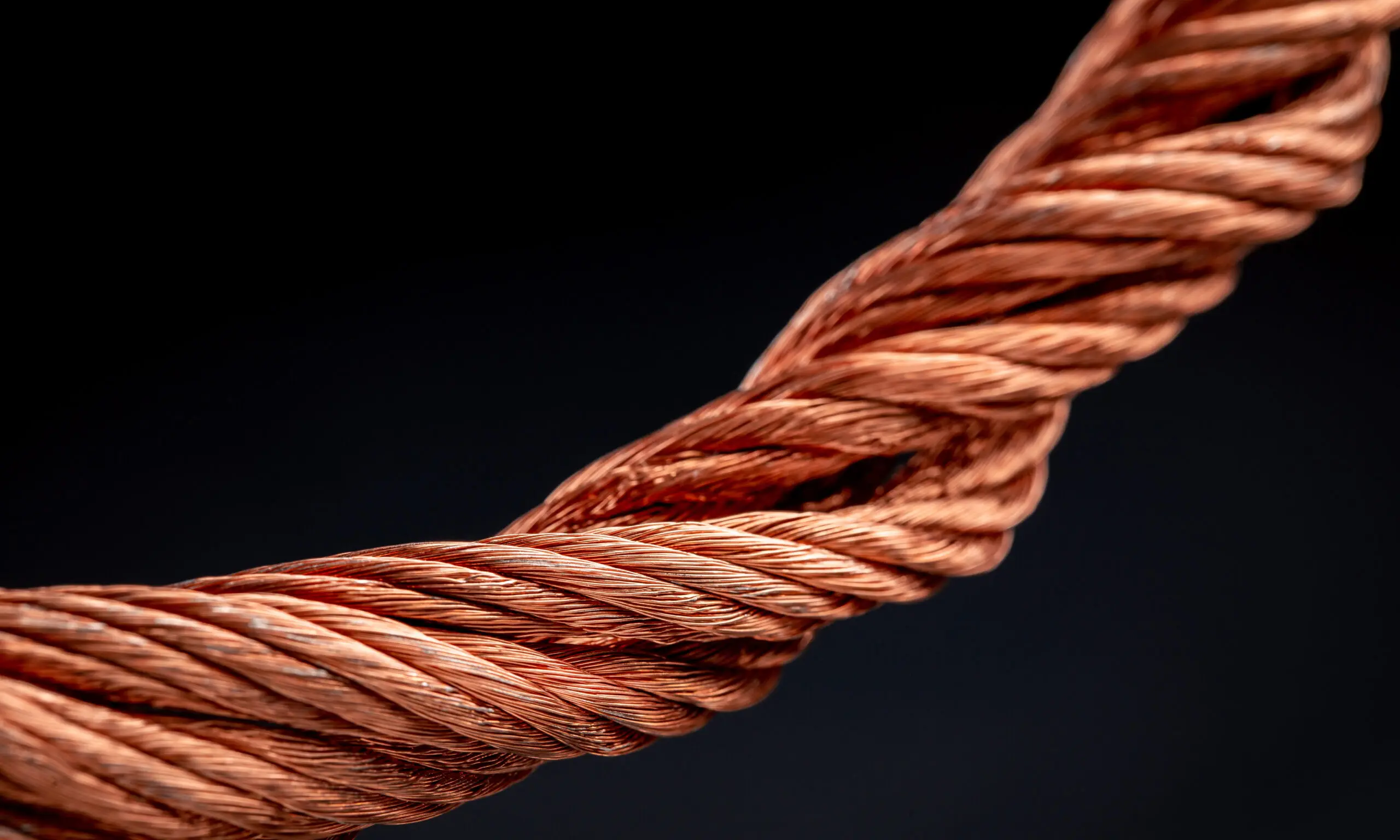
The copper paradox: why the next mining boom should start with the technology we already have
As demand for copper rises, attention is turning to new sources of supply. But significant reserves already exist within legacy networks. Urban mining offers an opportunity to recover this valuable material while generating commercial returns and supporting a more circular approach to network transformation.
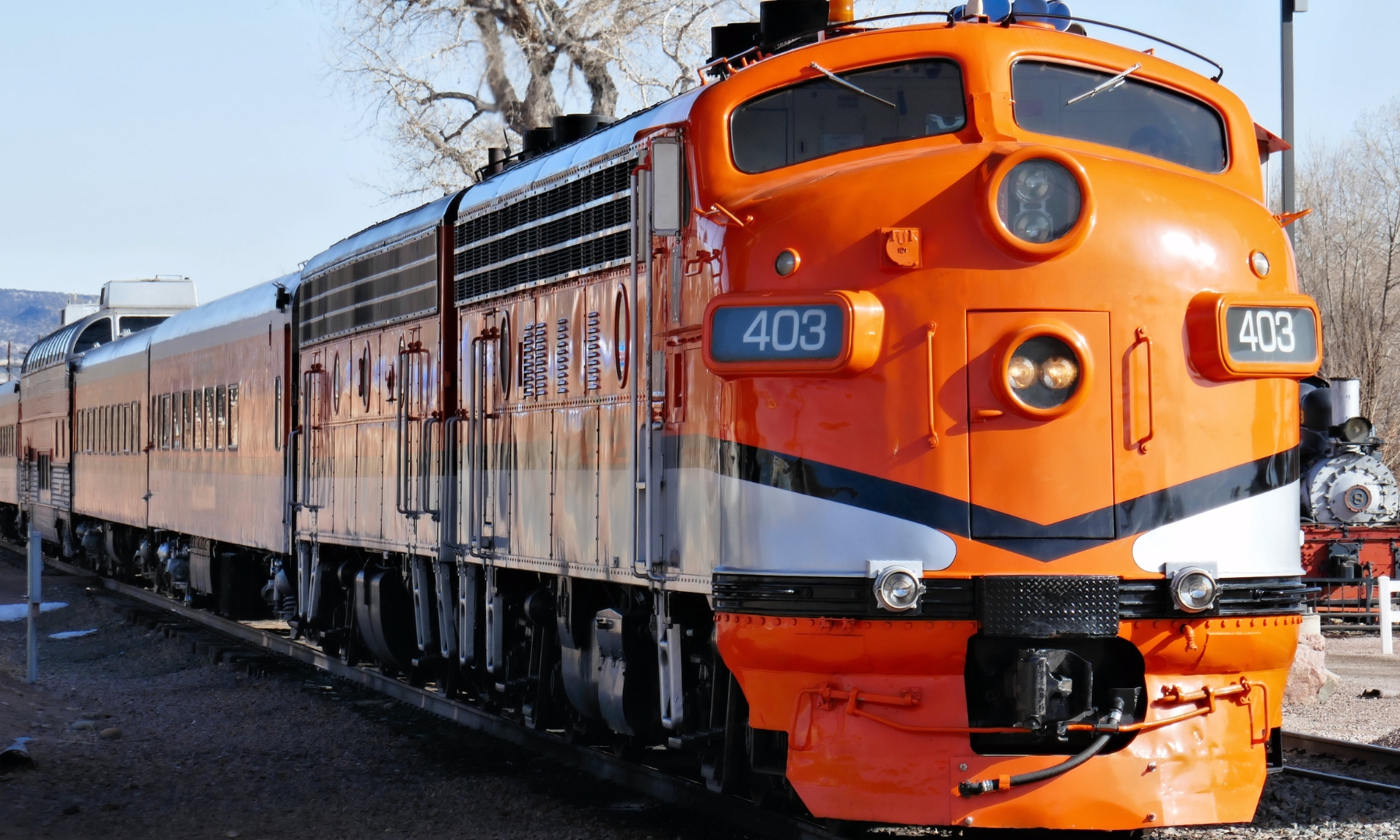
Meet TXO at InnoTrans 2026: transforming rail technology for a more sustainable future
TXO is exhibiting at InnoTrans 2026 in Berlin this September. Visit us in Hall 27, Stand 860 to discover how our technology lifecycle solutions are helping the rail sector extend asset life, unlock value from legacy infrastructure and accelerate the transition to a more sustainable future.
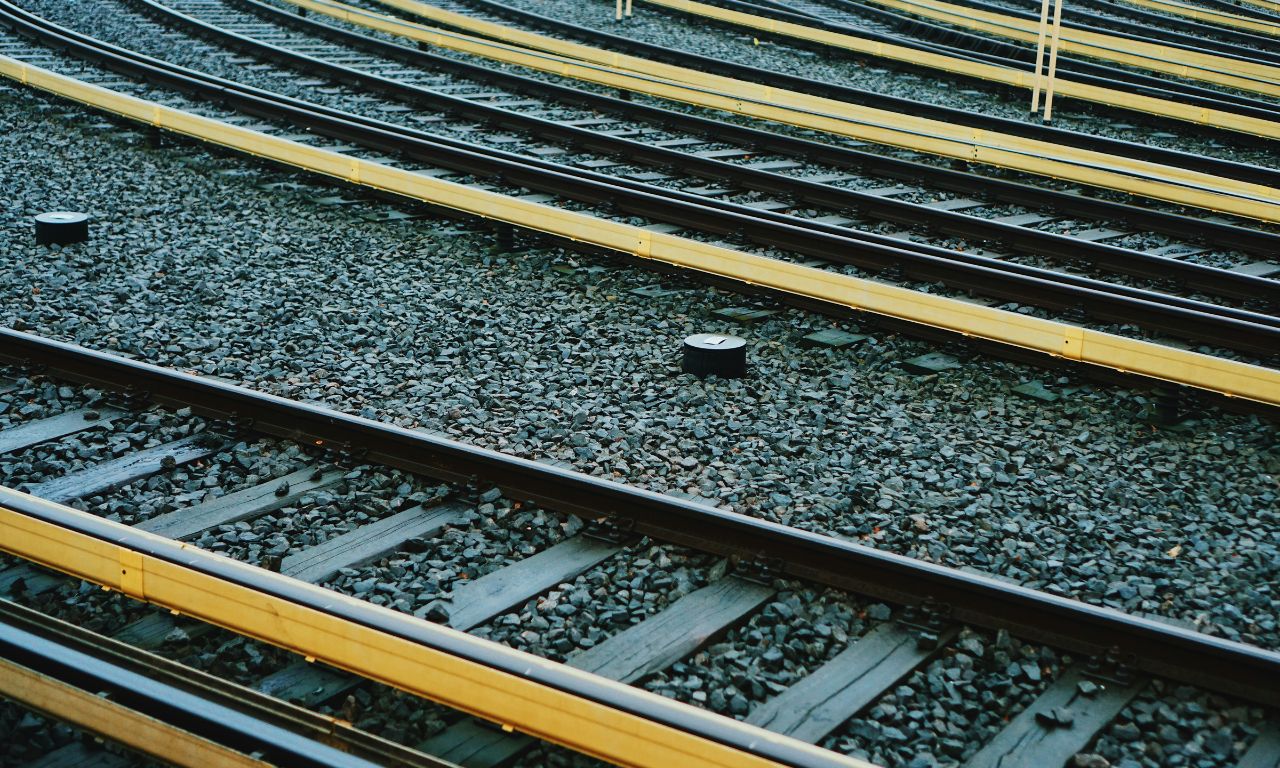
Keeping Network Rail’s high-performing legacy telecom network in top form
Digital transformation may be reshaping the railway industry, but legacy communications infrastructure remains the backbone of many critical networks. Discover how TXO has helped Network Rail safely maintain, repair and enhance decades-old telecom equipment for more than 15 years, extending asset lifecycles, reducing costs and supporting a more sustainable approach to network management.