


Pioneering sustainability and innovation in telecom refurbishment
At TXO, we are passionate about sustainability and innovation in the telecom industry.
At TXO, we are passionate about sustainability and innovation in the telecom industry.

Effective network maintenance and support reduce unexpected failures, minimise costs, and extend equipment lifespan. TXO’s guide provides expert insights into proactive telecoms maintenance strategies.

An interview with Julia Evans, Director of Sustainability & Operations at TXO

TXO is leading the shift towards a circular economy in telecoms by promoting equipment reuse, refurbishment, and responsible recycling. Discover how sustainable telecoms practices can cut costs and reduce environmental impact.

In today’s rapidly evolving telecom industry, the shift from a traditional linear model of ‘take, make, dispose’ to a circular economy is not only beneficial but essential.

In this piece Phil Miller, M&A director at TXO, speaks to Insider, following a number of acquisitions made by the firm in recent months

The terms CAPEX and OPEX regularly come up during the conversations we have with our customers in relation to telecom network equipment purchases and asset recovery services.
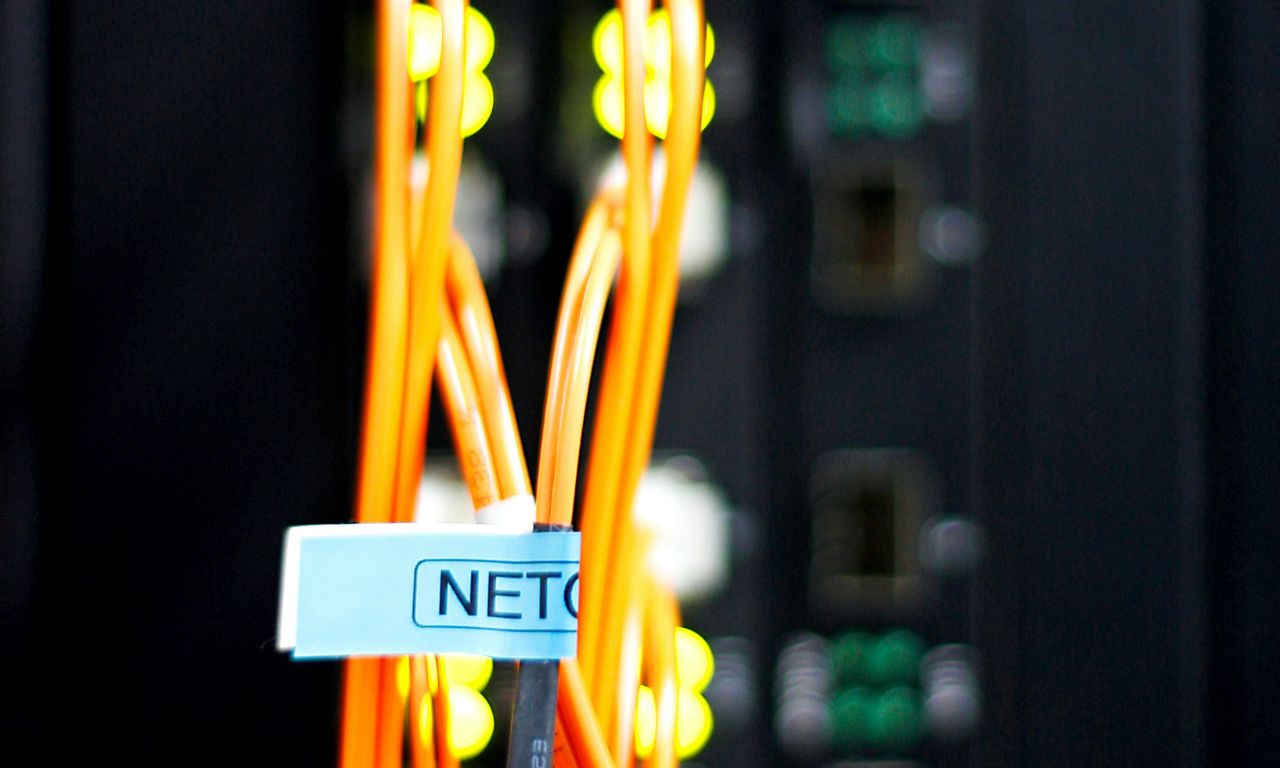
In this piece Joe Thompson, Global Head of Optical & Network Product at TXO, explores some possibly overlooked uses for fibre cabinets.
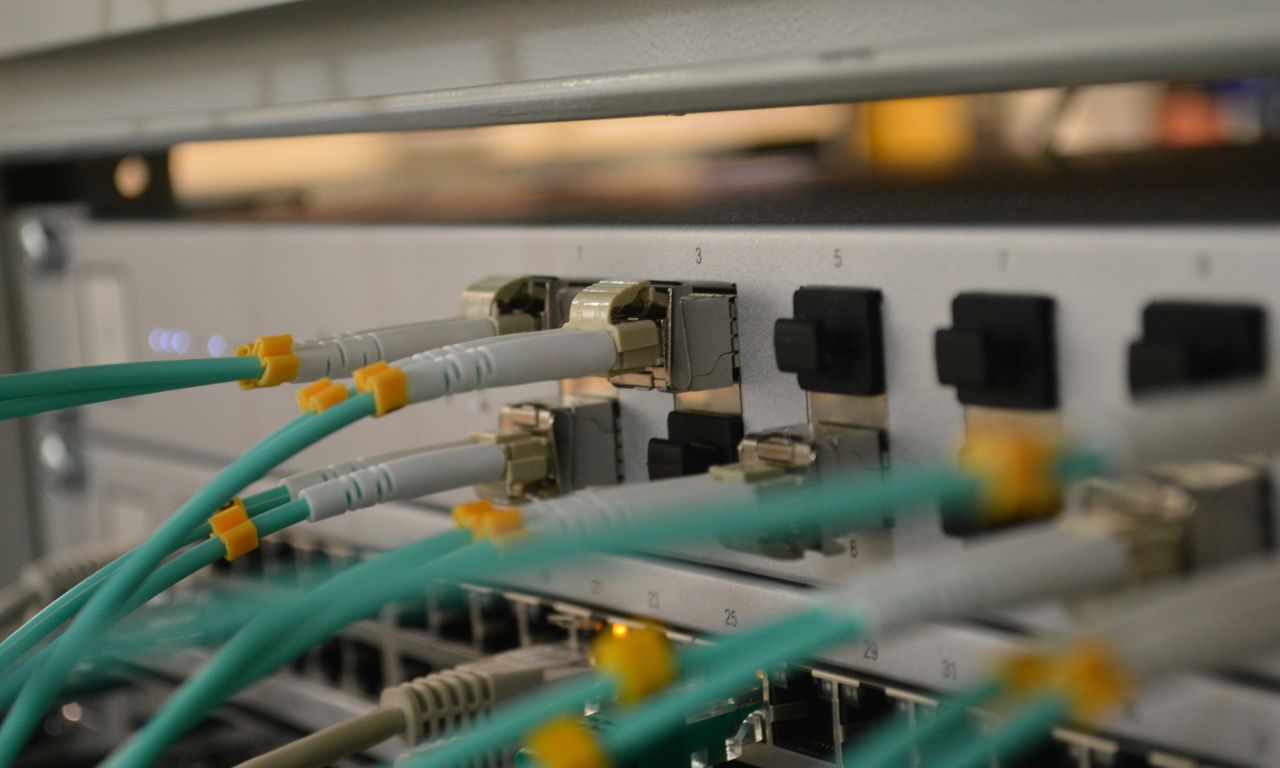
Equipment staging ensures telecoms hardware is pre-configured, tested, and ready for seamless deployment. TXO’s guide explains how staging services improve efficiency, reduce costs, and prevent installation issues.
Enhance the sustainability of your telecoms network

TXO’s guide answers key questions on GPON components, compatibility, and deployment best practices for network operators.

The aim of these fun interviews is for our wonderful partners to get to know us on a more personal level and get a feel for what it’s like to work at TXO.