

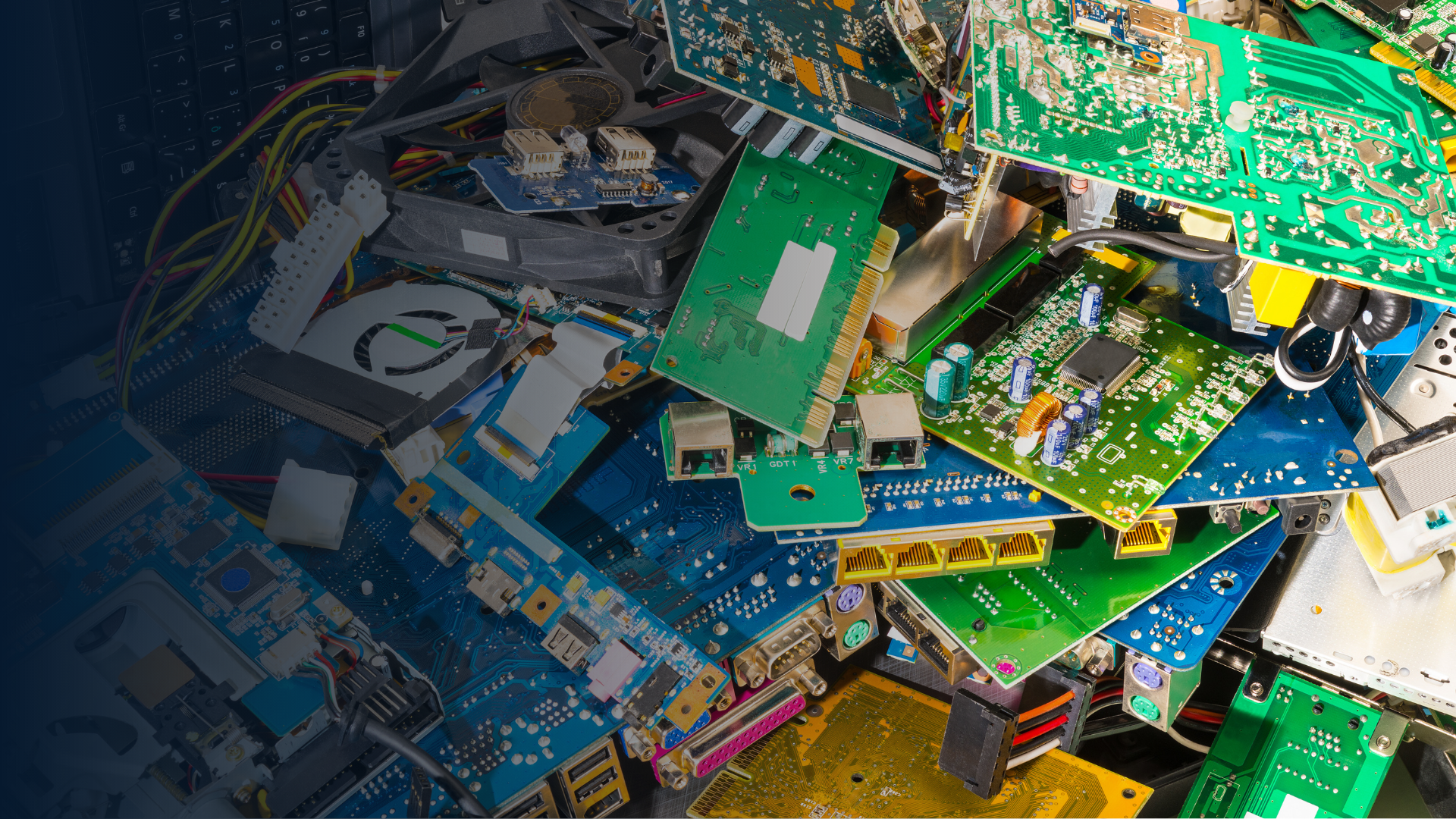
Technology is advancing at an extraordinary pace. But as innovation accelerates, so does the challenge of managing the resources and equipment it leaves behind.
This year’s International E-Waste Day focuses on Fast Tech, drawing attention to the growing environmental impact of short-lived electronics. While the campaign highlights consumer technology, its message raises an important question for businesses too: are we making the most of the technology we already have?
Across industries, organisations are investing in digital transformation, upgrading infrastructure and adopting new technologies to improve performance, capacity and efficiency. The opportunity is to embrace innovation while ensuring that both new and existing technology deliver maximum value throughout their lifecycles.
Rethinking our relationship with technology
The environmental footprint of technology extends well beyond its operational life. Manufacturing, transportation, maintenance and disposal all contribute to its overall impact, making decisions about equipment longevity and resource efficiency increasingly significant.
A more considered approach means looking at the entire lifecycle. Can existing infrastructure be optimised? Can equipment be repaired or upgraded rather than replaced? And when technology is no longer required, could it serve a purpose elsewhere?
These questions go beyond waste reduction. They challenge organisations to recognise the long-term value of technology and make better use of finite resources.
Progress without unnecessary waste
Circularity offers an opportunity to rethink how technology is designed, deployed and managed. Combining investment in new infrastructure with responsible lifecycle management, repairability and reuse can help organisations meet evolving technology requirements while minimising unnecessary waste and resource consumption. Importantly, this thinking starts long before equipment reaches the end of its useful life.
- Proactive network monitoring, preventative maintenance and ongoing technical support can help optimise performance, improve reliability and extend the life of critical infrastructure.
- Emerging technologies, including AI, may further strengthen these capabilities through predictive maintenance, intelligent asset management and more efficient resource utilisation.
- Testing, repair and refurbishment can also keep equipment in productive use for longer, reducing unnecessary replacement and creating opportunities for redeployment.
- When technology is eventually retired, secure data erasure helps protect sensitive information before assets are reused or remarketed.
- Where further use is no longer viable, responsible recycling ensures valuable materials are recovered and waste is managed in accordance with environmental regulations.
For business leaders, the opportunity is to embed this thinking into technology investment and infrastructure decisions from the outset, rather than treating waste as an issue to address at the end. International E-Waste Day is a reminder that technological progress and responsible resource management must go hand in hand.
The measure of progress should not simply be how quickly we adopt new technology, but how effectively we maximise the value of the resources behind it.
You might be interested in:
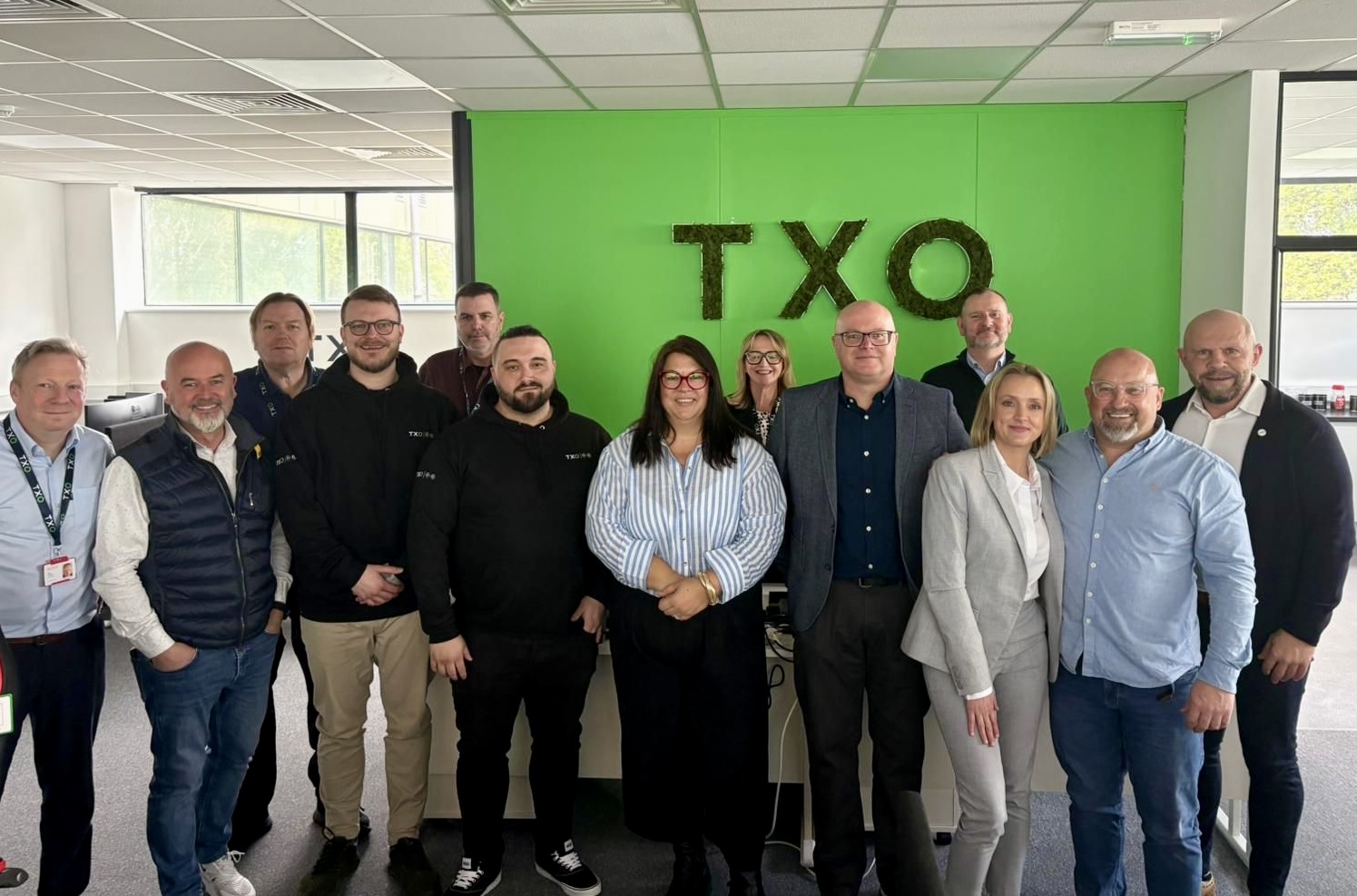
Delivering the future for Virgin Media O2
A proud milestone for TXO as we officially open our Hull operation and celebrate the beginning of an exciting new chapter with Virgin Media O2 (VMO2). Great partnerships, talented people, and strong collaboration are already driving success.
Why the future of technology depends on investing in people
Long-term technology performance depends on more than systems and infrastructure. It depends on the people who understand how those systems behave in real-world conditions and how they can be transformed and optimised effectively.
Unlocking value across the technology lifecycle
As infrastructure modernisation accelerates, organisations are rethinking how technology assets are managed. We explore how asset recovery & urban mining with a trusted lifecycle solutions partner can unlock value, and deliver measurable environmental and operational impact.