

BT Group and TXO partner for a greener, circular future
To further its sustainability goals, BT is actively working with TXO to recover, reuse, and recycle outdated infrastructure, particularly from its Public Switched Telephone Network (PSTN) and redundant telephone exchanges.
At the heart of this initiative is BT’s award-winning Exchange Clearance Operation (ECO) programme, through which TXO helps recover, recycle and resell equipment from exchanges. This enables BT to retire inefficient networks while creating opportunities for growth and future expansion.
The programme follows a model where the cost of decommissioning low-value infrastructure is offset by the resale and recycling of high-value e-waste and metals, making it both environmentally and financially beneficial.
TXO’s key impacts in the ECO programme
- 200+ tons of copper cable recovered
- 2,000+ tons of lead-acid batteries recycled
- 3,000+ tons of legacy network assets extracted
- £4 million net return generated from recycling and resale
TXO’s role in driving circularity
As a trusted partner, TXO plays a vital role in recovering, reselling and recycling BT Group’s legacy network assets. By extending the lifecycle of equipment, TXO minimises waste, reduces energy use and frees up valuable space for new infrastructure. This collaboration feeds hardware back into the circular economy, supporting BT’s ambition to become a circular business by 2030 and to help build a fully circular tech ecosystem by 2040.
Together, BT Group and TXO are reducing e-waste, cutting carbon emissions and paving the way for a more sustainable future in telecoms.
For organisations looking to maximise the value of their network assets and contribute to the circular economy, TXO is here to help. Get in touch today to join the sustainability transformation.
You might be interested in:
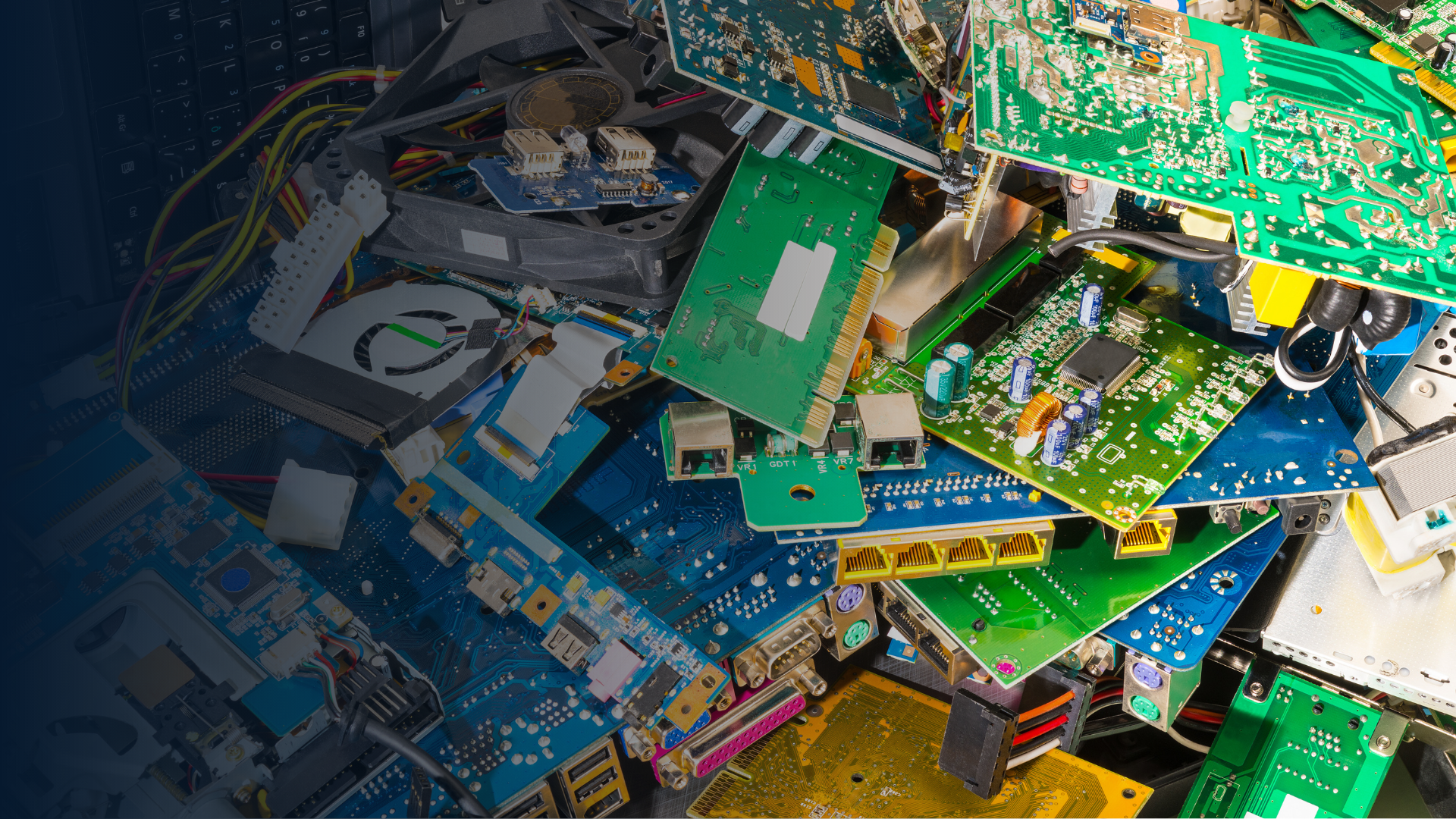
International E-Waste Day 2026: Rethinking the technology lifecycle
This International E-Waste Day, we explore why rethinking how technology is deployed, maintained and recovered is essential to reducing waste, preserving valuable resources and creating a more sustainable future.

Unlocking the hidden value in retired network technology
Network modernisation creates opportunities beyond the deployment of new technology. Discover how TXO and Virgin Media O2 are unlocking the commercial and environmental value of retired network equipment through recovery, refurbishment, reuse and recycling, delivering measurable carbon savings, protecting asset value and supporting a more circular telecoms industry.
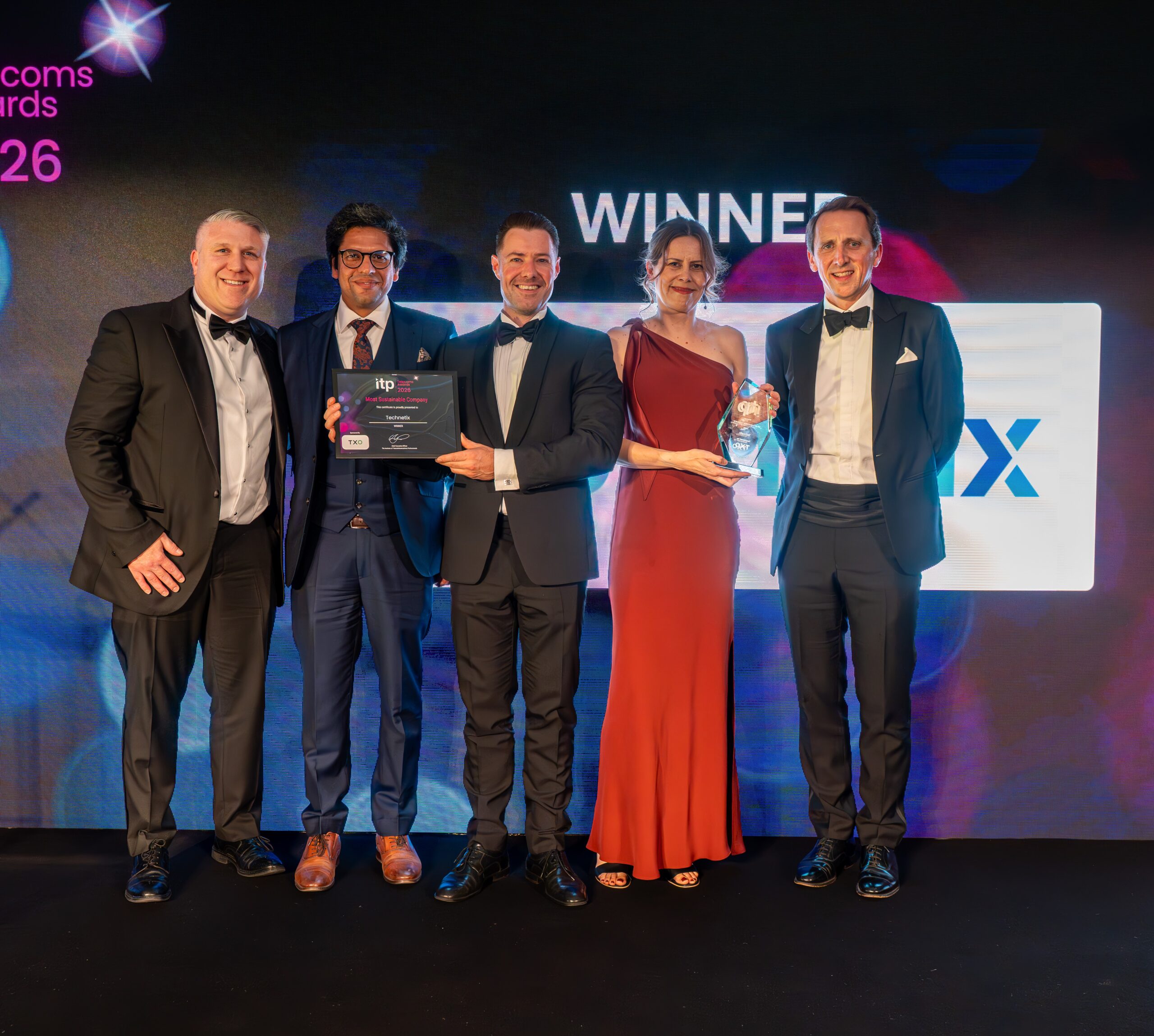
Celebrating innovation and sustainability at the 2026 ITP Awards
The 2026 Institute of Telecommunications Professionals (ITP) Awards celebrated the people and organisations shaping the future of telecoms. We reflect on an inspiring evening and the growing role of technology reuse, refurbishment and circular economy principles in building a more sustainable industry.